When deciding on the best road bike for your needs, it’s easy to feel overwhelmed. There are many types of road bike and countless options in any price range.
This article will help you select the best road bike for you, covering the best road bikes as ridden and reviewed by our expert testers.
Our team have reviewed a huge number of road bikes over the years. They regularly test budget options suitable for commuting, pro-level superbikes costing over £10,000 and road bikes that ride a lot like gravel bikes.
We have split this list into the different categories of road bikes, as well as entry-level and price-point options, so there should be something here for everyone.
Navigation:
- Best endurance road bikes
- Best road race bikes
- Best aero road bikes
- Best women’s road bikes
- Best budget road bikes for beginners
- Road bikes by price
You can also jump to our in-depth road bike buyer’s guide, which explains everything you need to know about road bikes and will help you find the right bike for you. Otherwise, keep reading for our pick of the best road bikes in 2026.
This best list was written by our staff writer, Nick Clark, who has brought together expertise from across the team while adding his personal experience in the saddle.
The reviews in this buyer's guide were written by Warren Rossiter, Ashley Quinlan, Simon Withers, Simon von Bromley, Oscar Huckle, Liam Cahill, Katherine Moore and Robin Wilmott.
Editor's note: we updated our best road bikes list on 16 September 2026 with our latest high-scoring reviews, including the Canyon Endurace CF SLX 8 Di2, Ribble Ultra-Road 105 Di2 Aero, Eddy Merckx 525R, Giant Propel Advanced Pro 0-Di2, Rose Shave FFX Red AXS, Specialized Allez E5 and Trek Domane AL 2 Gen 4.
Best road bikes in 2026
Best endurance road bikes
The best endurance road bikes help you cover long distances in comfort, with a relaxed riding position, an emphasis on compliance and greater versatility than race bikes.
Canyon Endurace CF SLX 8 Di2
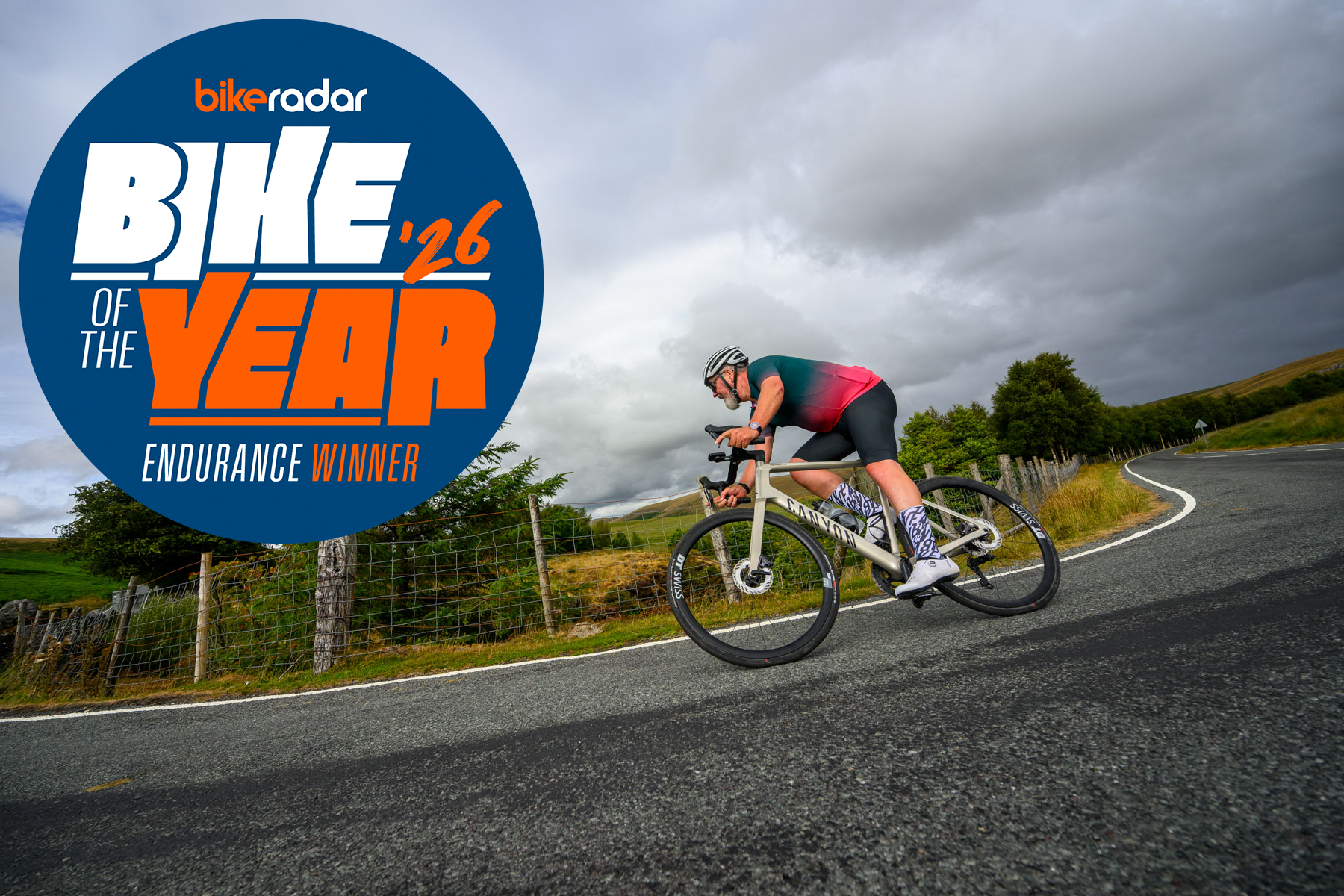
- £4,299 / $5,999 / €4,499 as tested by Warren Rossiter
- Pros: Great ride feel; comfortable and sporty; impressive value for money; plenty of size options
- Cons: Out-front mount insert came loose
The Canyon Endurace CF SLX 8 Di2 is a superb all-round endurance bike that blends speed, comfort and practicality.
Its sporty geometry gives it quick, confident handling, while the compliant rear end and VCLS seatpost smooth out rough roads.
There’s also generous 38mm tyre clearance, mudguard mounts and useful down-tube storage. The 8.6kg weight helps it feel lively on climbs, while the stable chassis and broad tyres make it particularly enjoyable on descents.
The specification is excellent for the price, with Shimano Ultegra Di2, DT Swiss carbon wheels and a 4iiii power meter.
The only real niggle was the out-front computer mount insert coming loose during testing.
- Read more: Canyon Endurace CF SLX 8 Di2 review
Cannondale Synapse Lab71
SQUIRREL_TEXT_13212338
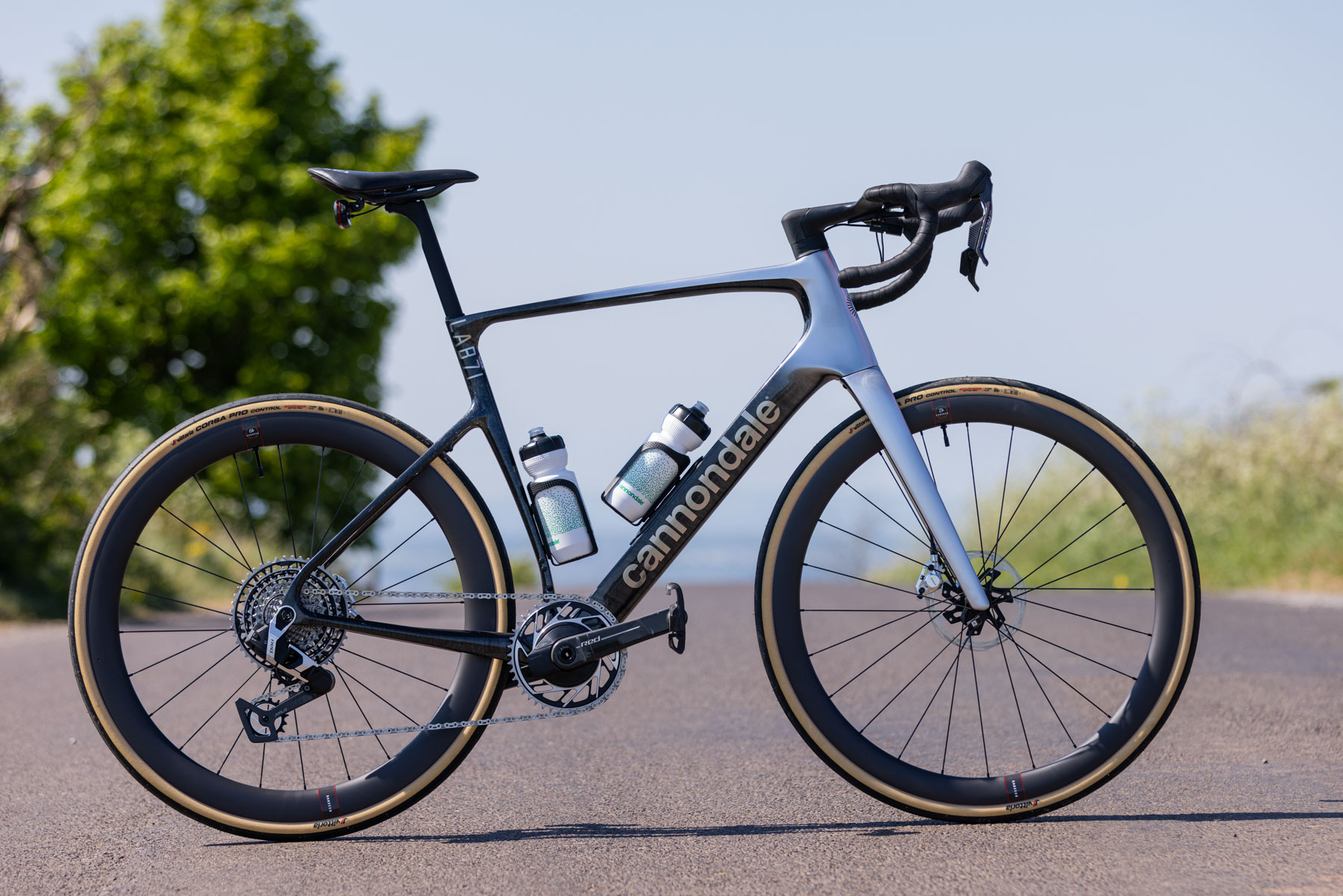
- £13,000 / $16,499 / €15,799 as tested by Warren Rossiter
- Pros: Faultless specification; great riding characteristics; tech implementation
- Cons: Pricey
Cannondale's flagship Synapse Lab71 has a spec befitting of its price tag, with SRAM's new 1x Red XPLR AXS drivetrain and Reserve 42/49 Turbulent rims on DT Swiss 180 hubs.
We found the bike feels sprightly down the road, while smoothing out road chatter and providing a comfortable riding position for longer days in the saddle.
Cannondale's SmartSense tech has been implemented very well, with lights and Garmin's Varia eRTL 615 connected to a battery in the down tube storage container.
While it's one of the best endurance bikes we've ever tested, it comes with a significant price tag.
- Read more: Cannondale Synapse Lab71 review
SQUIRREL_13212338
Fairlight Strael 4.0
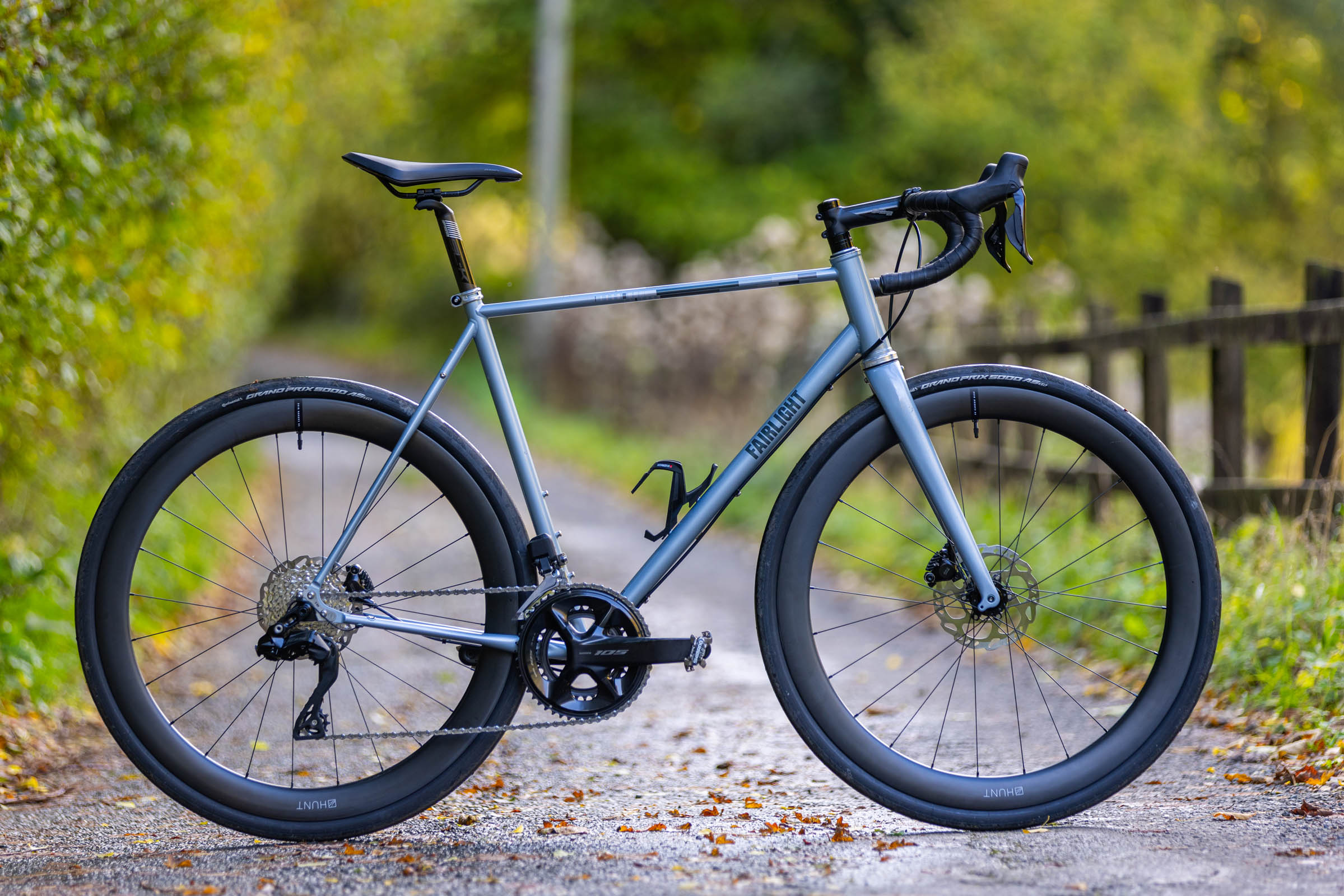
- £3,909 as tested by Ashley Quinlan
- Pros: Great geometry; agile handling; comfortable; 39mm tyre clearance
- Cons: No spares box
The Strael 4.0 succeeds the Strael 3.0, continuing its reputation for great riding character and versatility.
Ash found the bike comfortable on long rides, while feeling more responsive than the previous model, thanks to its agile handling.
The frame has a variety of mounts and ports, including a third bottle mount and internal routing in the front fork for a dynamo light, making the Strael highly adaptable and configurable.
The only thing missing is mounts for a bento box.
- Read more: Fairlight Strael 4.0 review
Cube Attain C:62 SLT
SQUIRREL_TEXT_13194528
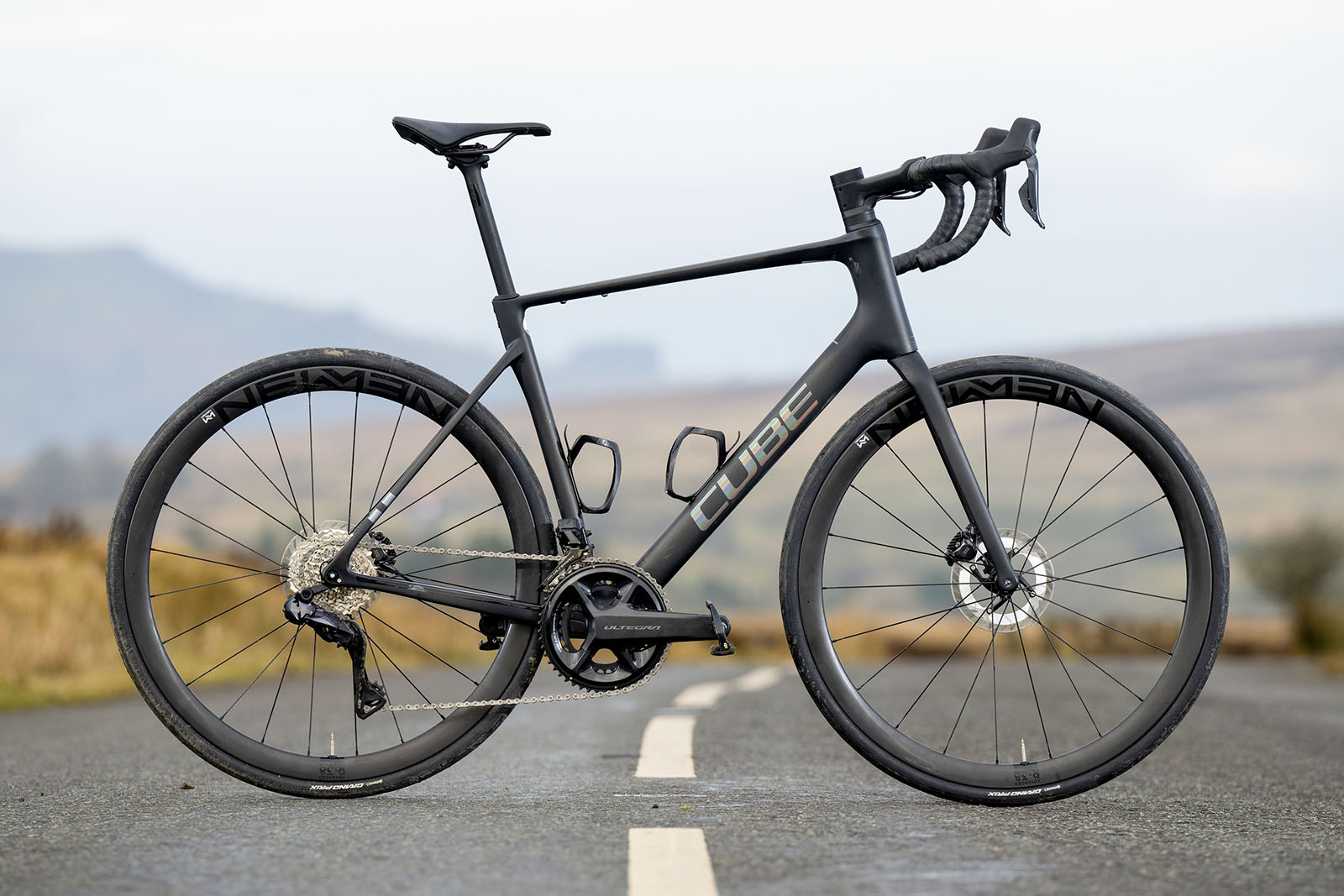
- £2,999 / €2,999 as tested by Warren Rossiter
- Pros: Great value for money; impressive spec; comfortable and capable ride
- Cons: Some may want greater tyre clearance
The Attain C:62 SLT has an impressive spec considering the price, with the German brand adding carbon Newmen wheels and Shimano's Ultegra Di2 groupset for a total price of £2,999.
Thankfully, the frame doesn't appear to have suffered in this equation, with a comfortable nature that has impressive bump-smoothing and handling characteristics.
A small drawback is the tyre clearance, which some may find narrow compared to other bikes.
- Read more: Cube Attain C:62 SLT review
SQUIRREL_13194528
Ribble Ultra-Road 105 Di2 Aero
SQUIRREL_TEXT_13994579
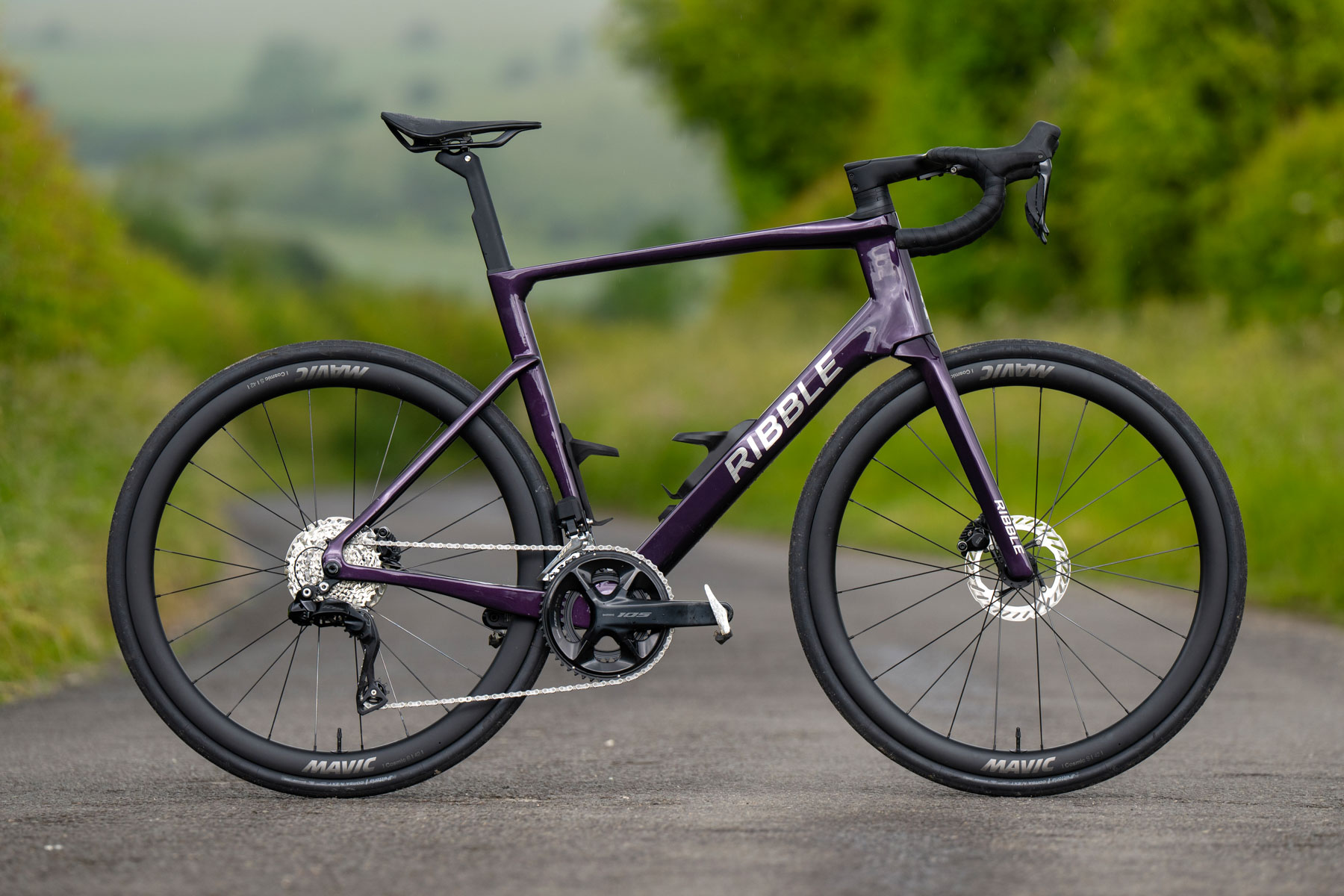
- £3,799 / $5,215 / €4,880 as tested by Warren Rossiter
- Pros: Impressive value; fast handling; comfortable for longer rides
- Cons: Occasionally sticky freehub
The Ribble Ultra-Road 105 Di2 Aero combines the speed of an aero road bike with the comfort of an endurance bike. It has quick handling but remains stable at speed, making it fun on fast descents and responsive when climbing.
The riding position is sporty without being too aggressive, while the flexible seatpost and 32mm tyres help smooth rough roads.
There’s also 38mm tyre clearance, mudguard mounts and useful down-tube storage.
At 8.58kg, it feels light and lively, and the Shimano 105 Di2 groupset, carbon cockpit and Mavic wheels make the £3,799 price particularly appealing.
The occasional sticky freehub was the only notable issue during testing.
- Read more: Ribble Ultra-Road 105 Di2 Aero review
Best road race bikes
The best road race bikes are designed to be as efficient and fast as possible, often marrying carbon fibre components with aerodynamic designs.
They tend to put you in a more aggressive position than endurance bikes, but are still more versatile than aero road bikes.
BMC Teammachine R 01 LTD
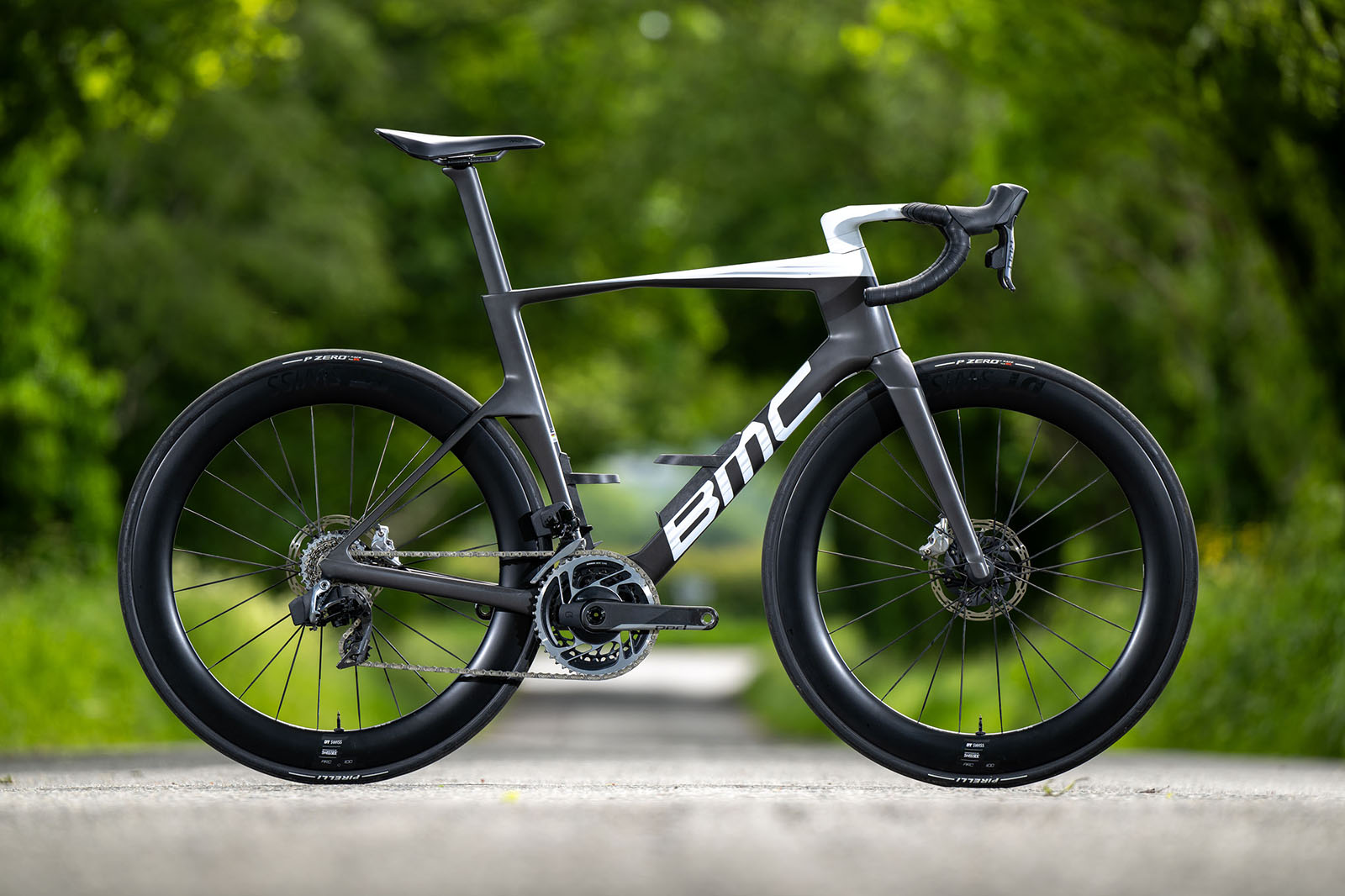
- £14,999 / $14,999 / €14,499 as tested by Ashley Quinlan
- Pros: Feels incredibly efficient; near-perfect spec; narrow cockpit
- Cons: Relatively fragile tyres
Developed in partnership with Red Bull Advanced Technologies (an offshoot of the Formula One team), the BMC Teammachine R is part aero bike, part all-rounder.
As you might expect, the angular carbon frameset puts a premium on aerodynamic optimisations, without adding undue weight.
Up-front, the integrated handlebar also plays into this theme, with just a single, super-narrow 36cm bar width available. You do get a choice of stem length, though, and the Teammachine R can be run with a non-integrated setup if desired.
The flagship spec is also hard to fault (which you’d expect at this price), although this particular model has now been superseded by one sporting the latest SRAM Red AXS groupset.
- Read more: BMC Teammachine R 01 LTD review
Cannondale SuperSix Evo Lab71 EF Replica
SQUIRREL_TEXT_13151949
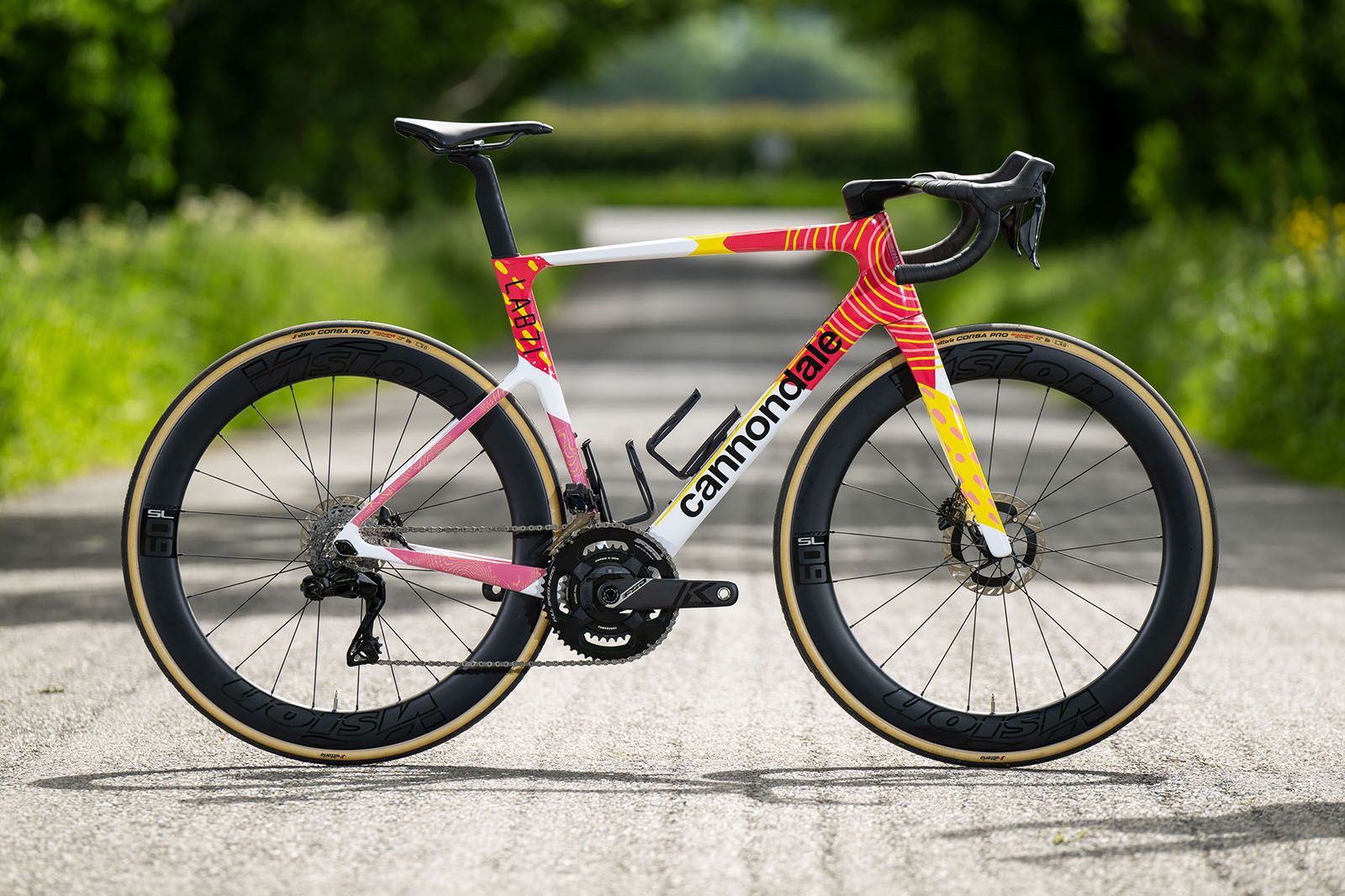
- £12,500 / $14,000 / €14,499 as tested by Ashley Quinlan
- Pros: Outstanding handling; stiff yet comfortable; near-flawless spec
- Cons: Fit customisations cost extra
Cannondale’s flagship SuperSix Evo Lab71 is an archetypal road racing bike, with the aggressive ride position and reactive handling to match.
Here, in its lightest (and most expensive) guise, this WorldTour replica SuperSix Evo also gets the striking EF Education–EasyPost paintjob to help it stand out from the crowd.
Our tester praised its first-rate handling and racing-focused build, consisting of a Shimano Dura-Ace Di2 R9200 groupset, Vision Metron 60 SL carbon wheels and an FSA PowerBox power meter crankset. In terms of pure performance, there’s little to fault here.
The only downside is that, despite the five-figure outlay, specification changes for fit reasons (such as a handlebar or seatpost swap), aren’t generally offered free of charge by Cannondale dealers. If you need these, you'll likely have to cough up more cash for the privilege.
SQUIRREL_13151949
Cervélo S5 Dura-Ace
SQUIRREL_TEXT_13264322
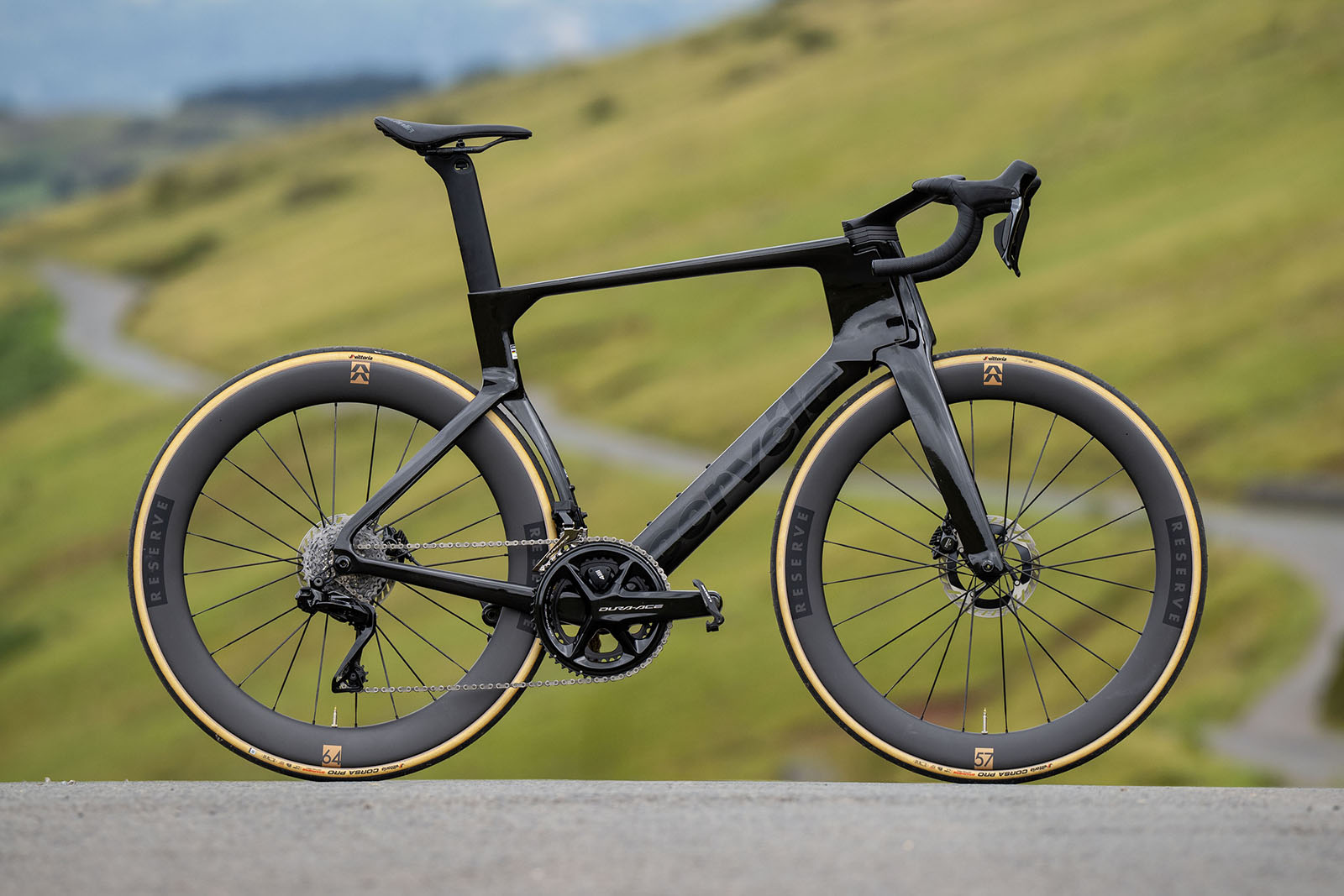
- £12,000 / $14,100 / €13,999 as tested by Ashley Quinlan
- Pros: Fast-feeling; tyre clearance; stiff, racey, but not harsh ride
- Cons: Seatpost can't be changed for free; large chainring won't suit all
The S5 Dura-Ace delivers a balanced ride with sharp handling, backed up by impressive outright speed.
Ash found it easy to push the pace, staying composed in gusty crosswinds and encouraging him to ride harder.
Although it comes with a premium price tag, the specification is strong, bringing its weight close to that of the top all-rounders.
The seatpost can be swapped, although it incurs an additional cost at purchase, and the large chainring may feel overgeared for many amateur riders.
Even so, it claimed top honours in the Race category of our Bike of the Year 2025 awards.
- Read more: Cervélo S5 Dura-Ace review
SQUIRREL_13264322
Eddy Merckx 525R
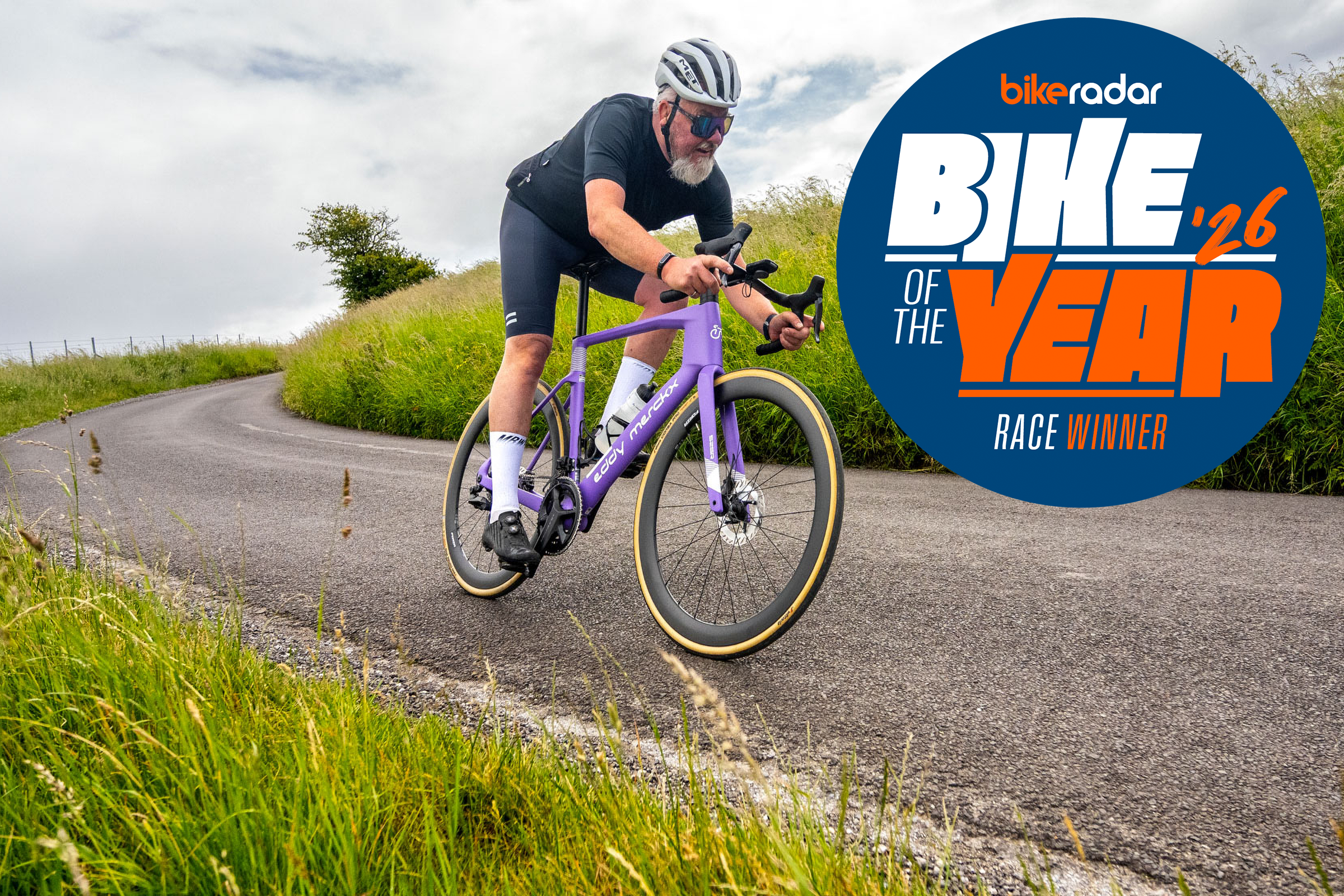
- £6,299 as tested by Warren Rossiter
- Pros: Race-bike pace; great spec; comfortable ‘aggressive’ position
- Cons: 34mm tyre clearance a little conservative
The Eddy Merckx 525R is a fast aero race bike that manages to combine sharp handling with an unusually comfortable riding position.
Its stiff carbon frame feels highly efficient under power, while the progressive geometry makes it easier to hold an aerodynamic position without feeling overly stretched.
The result is a bike that feels rapid on climbs, descents and fast, rolling roads, while still working well as an everyday bike.
The Ultegra Di2 build includes carbon wheels and cockpit, and weighs 7.87kg in a size large.
The 34mm tyre clearance is slightly conservative, and the narrow handlebar may not suit riders with broad shoulders.
- Read more: Eddy Merckx 525R review
Factor Monza
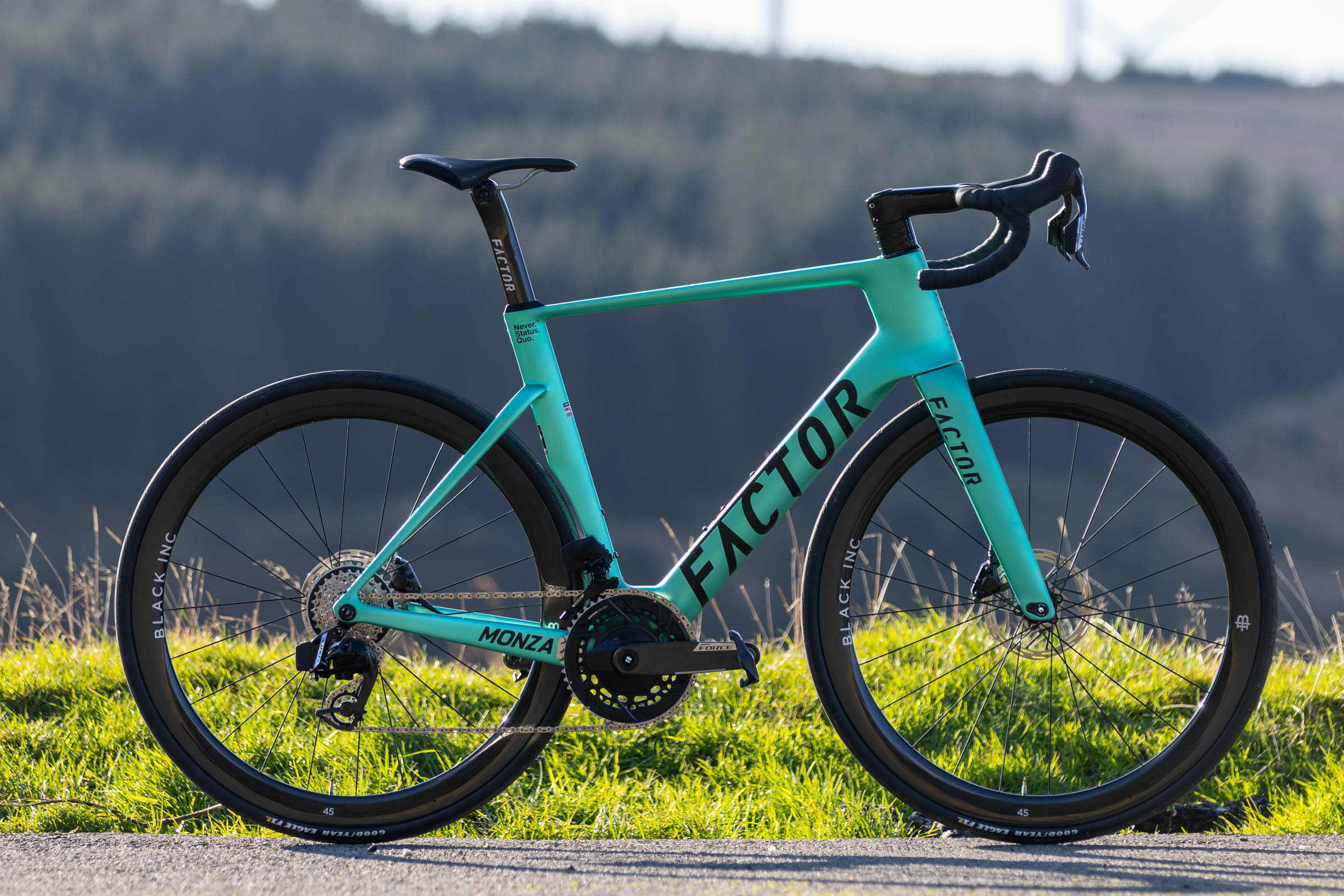
- £6,999 / $7,199 / €8,299 as tested by Ashley Quinlan
- Pros: Down-tube storage; compliant frame; racey ride position
- Cons: Not as light as competitors
The Monza is a step back from the ultra-high-end segment that Factor targets, although it's far from cheap.
Ash found the Monza retains some of the characteristics of the brand's top-end bike, but at a much more affordable price.
The bike offers good compliance and a racey ride position that doesn't take away from its ease of riding.
Its weight is heavier than others in the category, but that isn't everything, considering the bike's aero optimisation.
- Read more: Factor Monza review
Giant Propel Advanced Pro 0-Di2
SQUIRREL_TEXT_14013577
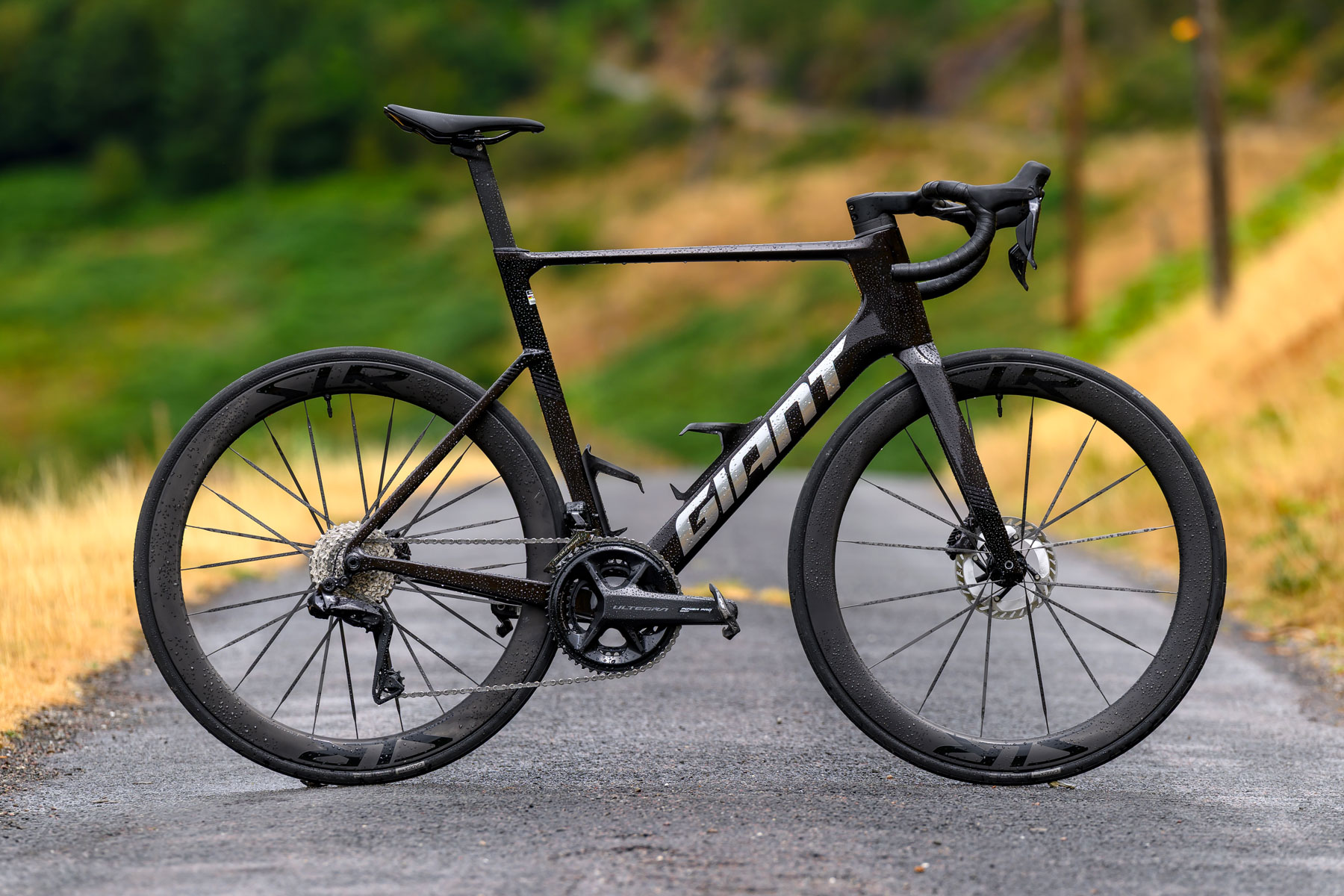
- £5,799 / €6,600 as tested by Warren Rossiter
- Pros: Aero; lightweight; fast handling; stable at speed; solid value
- Cons: 28mm tyres not great on poor road surfaces
The Giant Propel Advanced Pro 0-Di2 is an aero race bike that combines low weight with sharp handling and impressive stability at speed.
At 7.39kg in a large, it feels light and nimble on climbs, while the aerodynamic frame and 50mm carbon wheels deliver plenty of speed on flatter roads.
The geometry gives it a more agile feel than many aero bikes, without sacrificing confidence when descending.
Shimano Ultegra Di2, carbon wheels and Giant’s Power Pro power meter make for an excellent specification at £5,799.
The main weakness is the stock 28mm tyres, which can feel harsh on poor road surfaces.
- Read more: Giant Propel Advanced Pro 0-Di2 review
SQUIRREL_14013577
Parlee Ouray
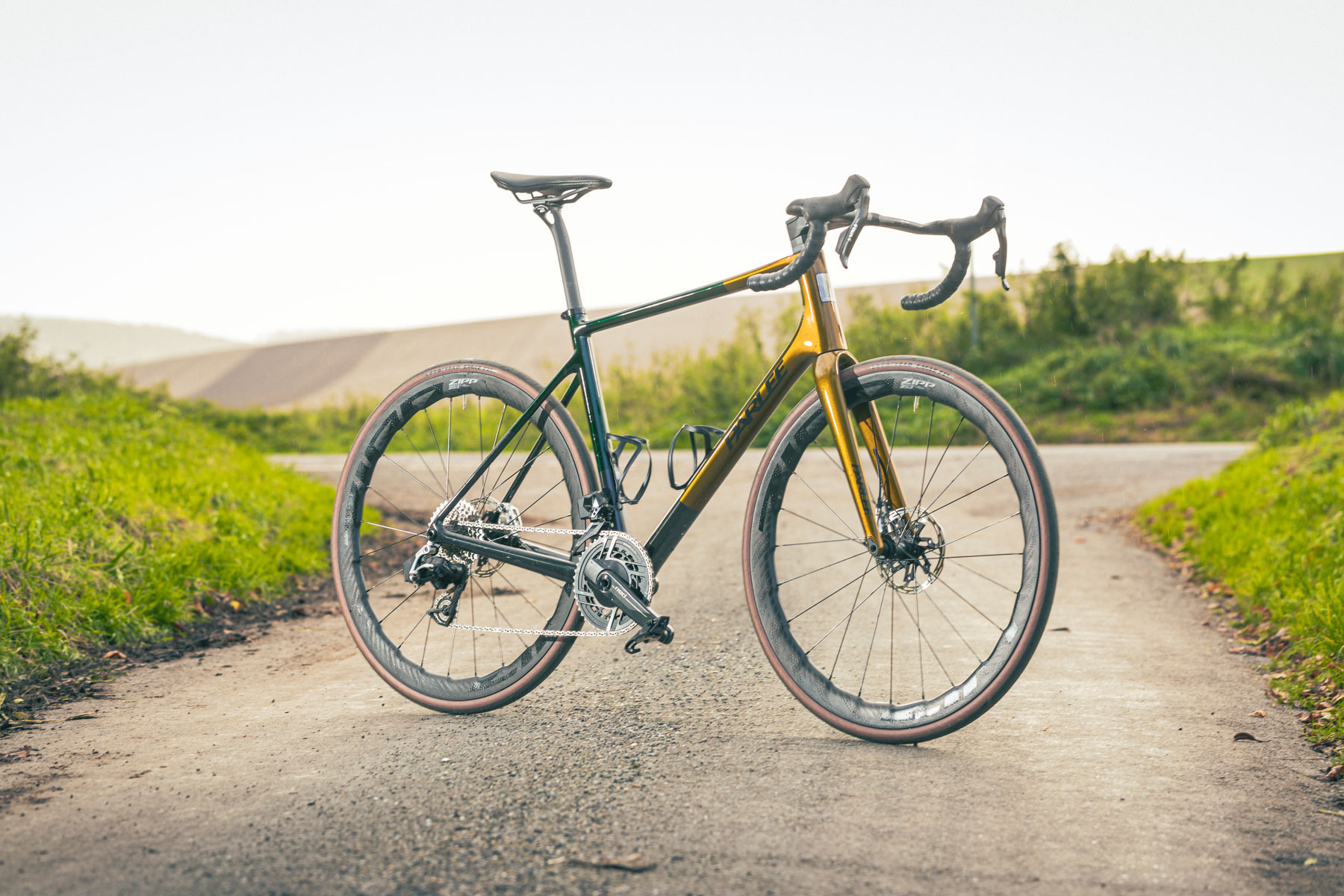
- £14,200 / $14,990 as tested by Warren Rossiter
- Pros: Great handling; road-smoothing feel; light weight; great spec
- Cons: Pricey; one-piece bar combo limits choice for outliers
Parlee's Ouray combines the lightness of a climber, the comfort of an endurance bike and the speed of a race bike – with a sliver of aero to boot.
We found the bike to have impressive handling characteristics and the frame compliance ironed out rough parts of the road.
While its price is seriously high, the spec of the bike reflects this and you can knock £1,500 off for the custom paintjob.
If you're after a bespoke road bike with traditional traits, the Ouray should be on your shortlist.
- Read more: Parlee Ouray review
Scott Addict RC 20
SQUIRREL_TEXT_13216801
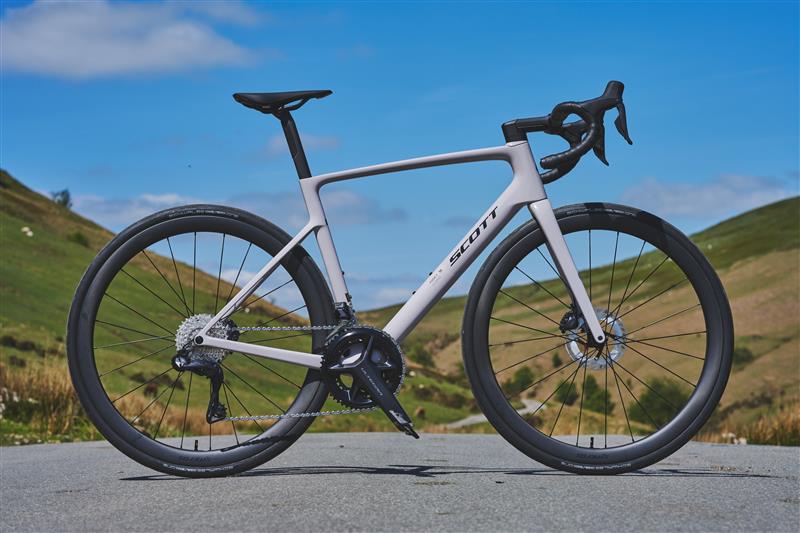
- £5,899 / $5,700 / €5,999 / AU$8,000 as tested by Ashley Quinlan
- Pros: Lightweight and direct; comfortable ride quality; balanced handling
- Cons: Computer mounts not included; no power meter
The Addict RC 20 hides any compromise in its all-round ability very well, feeling in its element just about anywhere.
We were impressed by its direct ride feel and balanced handling, while its lighter weight felt punchy on the hills.
Comfort isn't sacrificed, though, with the bike gobbling up road imperfections with ease.
The lack of a computer mount feels a little tight because it's needed in order to mount your GPS to the one-piece handlebar.
- Read more: Scott Addict RC 20 review
Van Rysel RCR Pro Team Edition
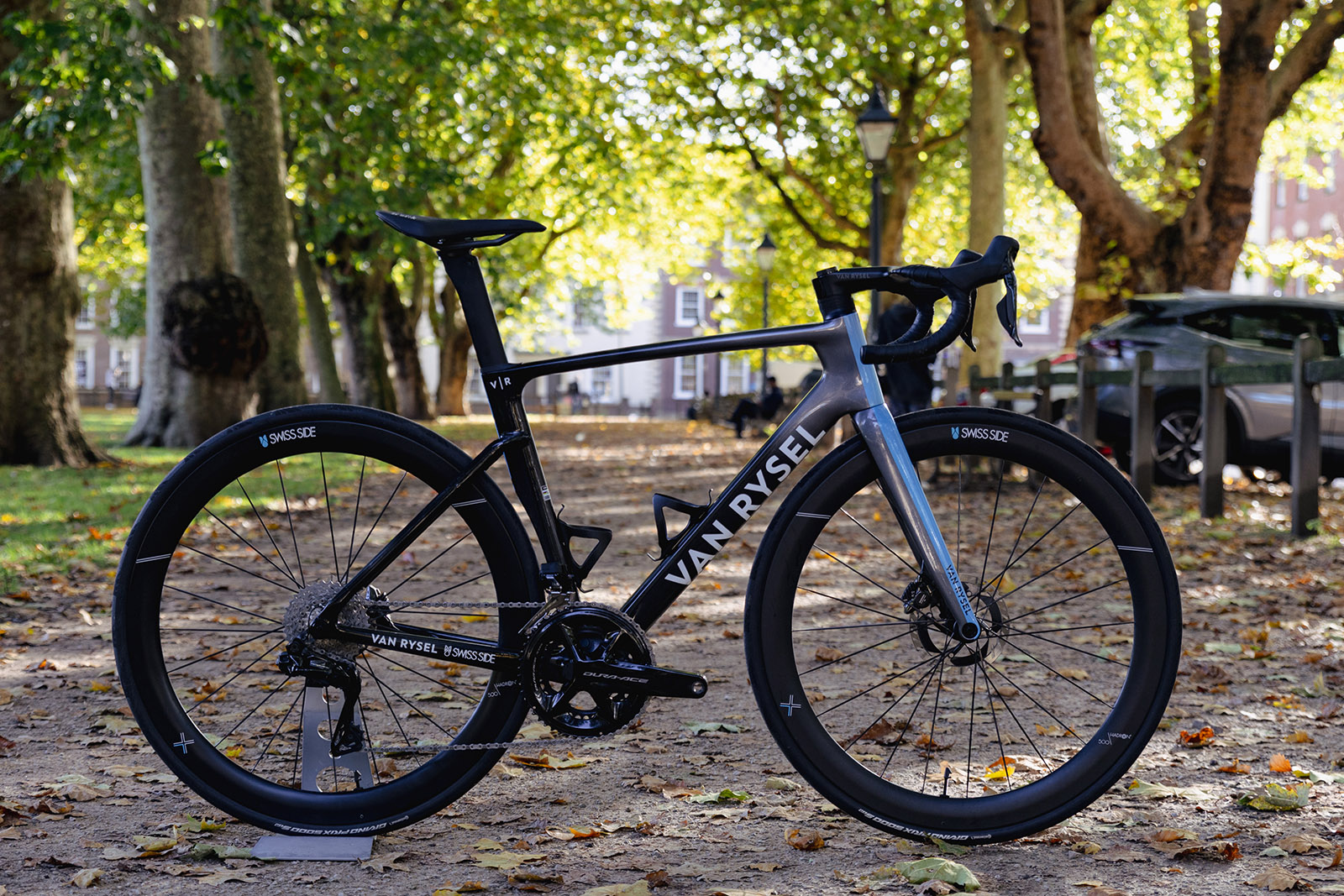
- £9,000 / $10,999 / €9,999 as tested by Liam Cahill
- Pros: Efficient-feeling at speed; impressive climber; fantastic spec
- Cons: Doesn't quite match value ethos of brand; cockpit might not suit everyone
The RCR Pro Team Edition is Van Rysel's flagship road bike and it lives up to the claims of being a lightweight aero race bike.
While it's not the value proposition we'd hope for from the Decathlon brand, it delivers an impressive ride quality with a dialled geometry and componentry that leaves little to be desired.
We were impressed by the Deda front end, but the current lack of customisation will mean it doesn't work for everyone.
- Read more: Van Rysel RCR Pro Team Edition review
Best aero road bikes
The best aero road bikes are designed to be as slippery as possible, with wind-cheating tube profiles, full integration and stretched-out riding positions. They’re not always the lightest bikes, but they’re certainly the fastest.
Giant Propel Advanced Pro 0 AXS
SQUIRREL_TEXT_13151944
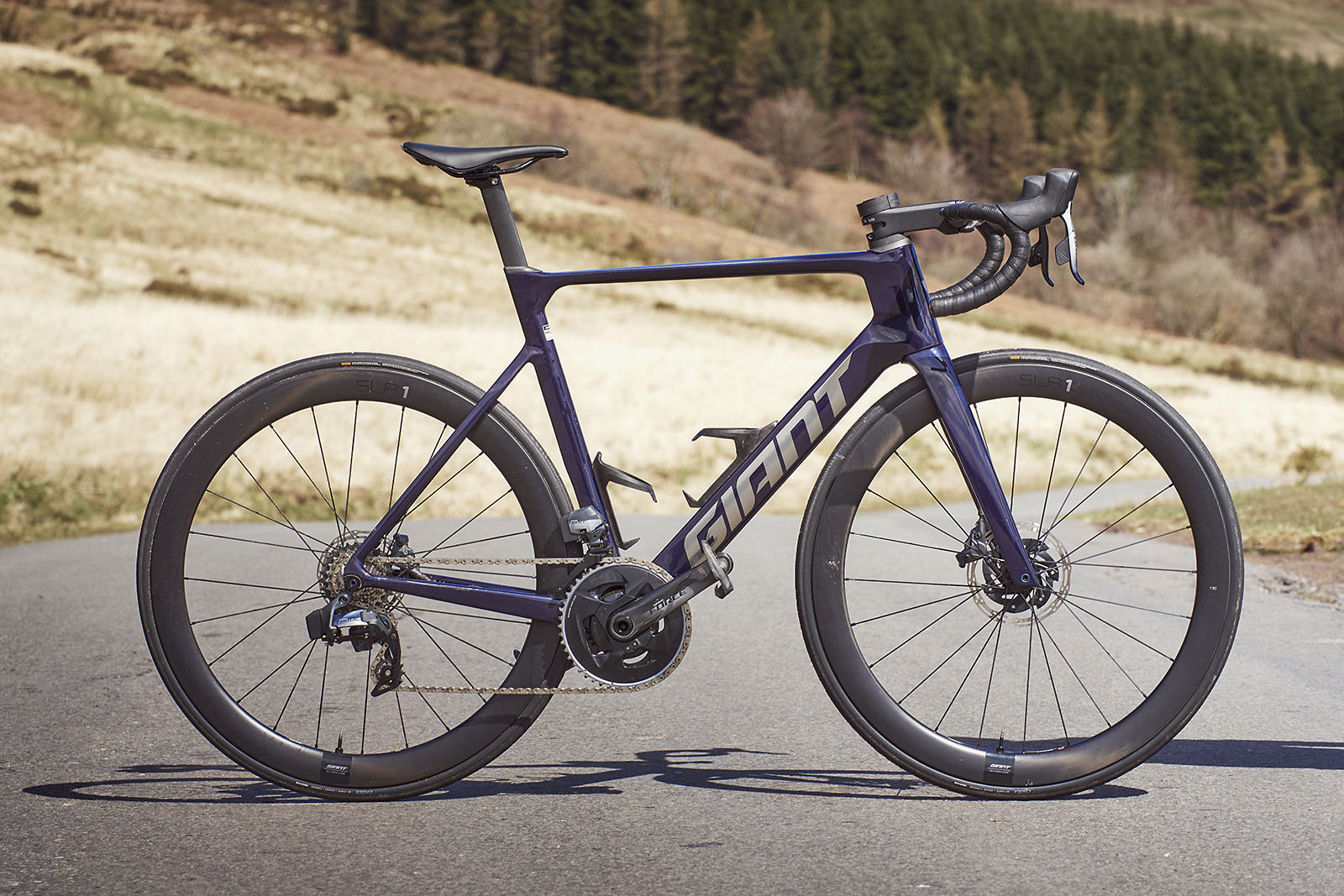
- £6,399 / $8,000 / €6,900 / AU$8,499 as tested by Simon von Bromley
- Pros: Balance of aero and lightweight; great value; fast and confident feel
- Cons: A few old-school spec choices
Delivering all-out speed without excess weight and cost, the Giant Propel Advanced Pro 0 AXS was our Aero Bike of the Year 2023.
Despite being half the price of Giant’s top-spec Propel, it is a close match in terms of performance, proving to be fast on practically all terrain.
The 10-28t cassette and narrow tyres feel fairly old-school, but overall, this bike is a race-ready package with plenty of performance for the price. It’s hard to see why you should spend more.
- Read more: Giant Propel Advanced Pro 0 AXS review
SQUIRREL_13151944
Rose Shave FFX Red AXS
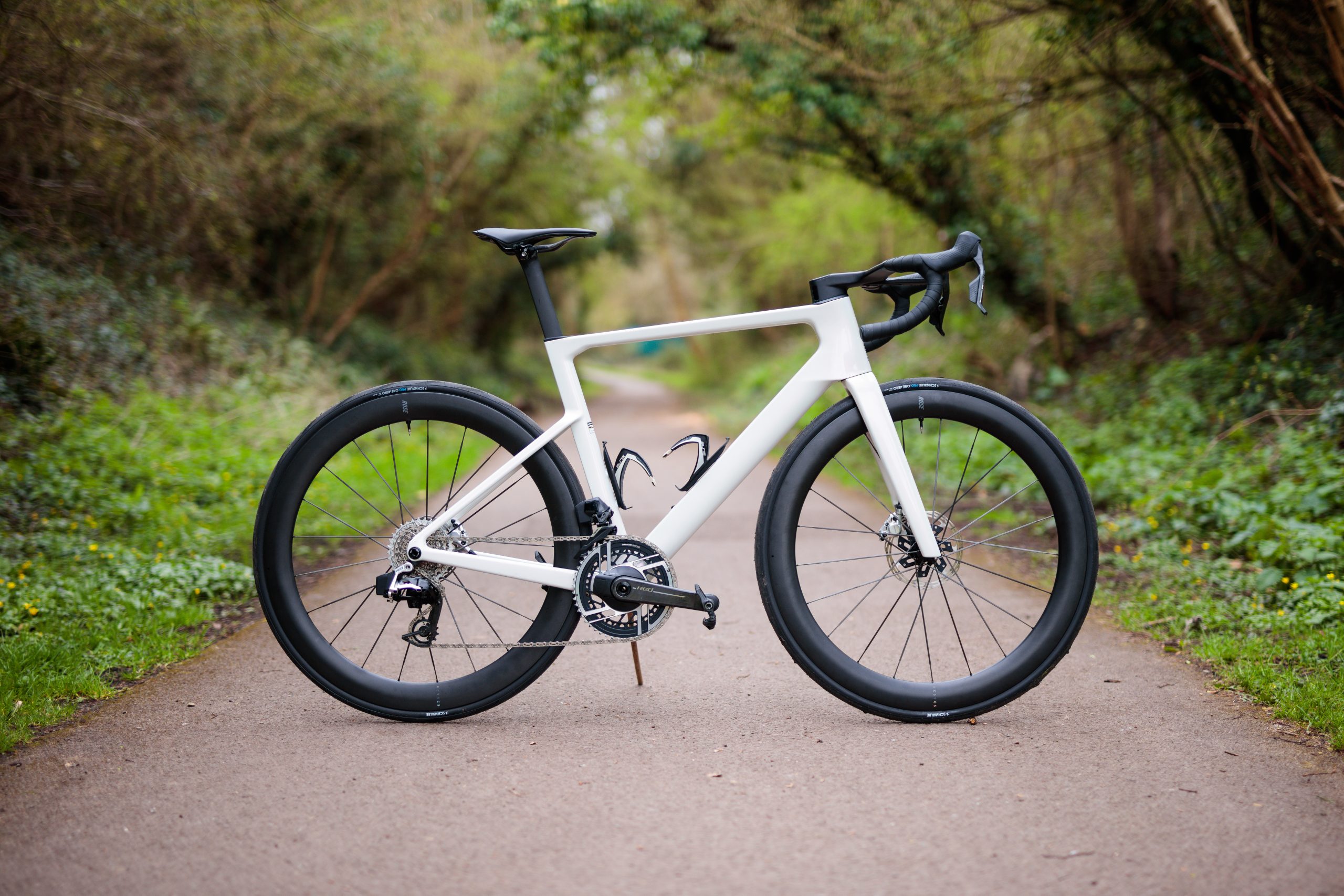
- €8,500 as tested by Simon von Bromley
- Pros: Fast; very light; clearance for 35mm tyres; fantastic build spec; excellent value
- Cons: Stiff ride quality requires careful tyre-pressure adjustment
The Rose Shave FFX Red AXS is a fast, very light and highly focused aero race bike.
At only 6.56kg in a size M/L, it feels exceptionally quick and responsive, with sharp handling and impressive efficiency on climbs and descents.
The stiff frame and carbon-spoked wheels give it a very direct feel, while the SRAM Red AXS groupset includes a power meter.
There’s also clearance for tyres up to 35mm, giving some scope to improve comfort.
At €8,500, the specification is excellent, featuring WorldTour-level components.
The only trade-off is the stiff ride, which can feel harsh on rough roads.
- Read more: Rose Shave FFX Red AXS review
3T Strada Italia
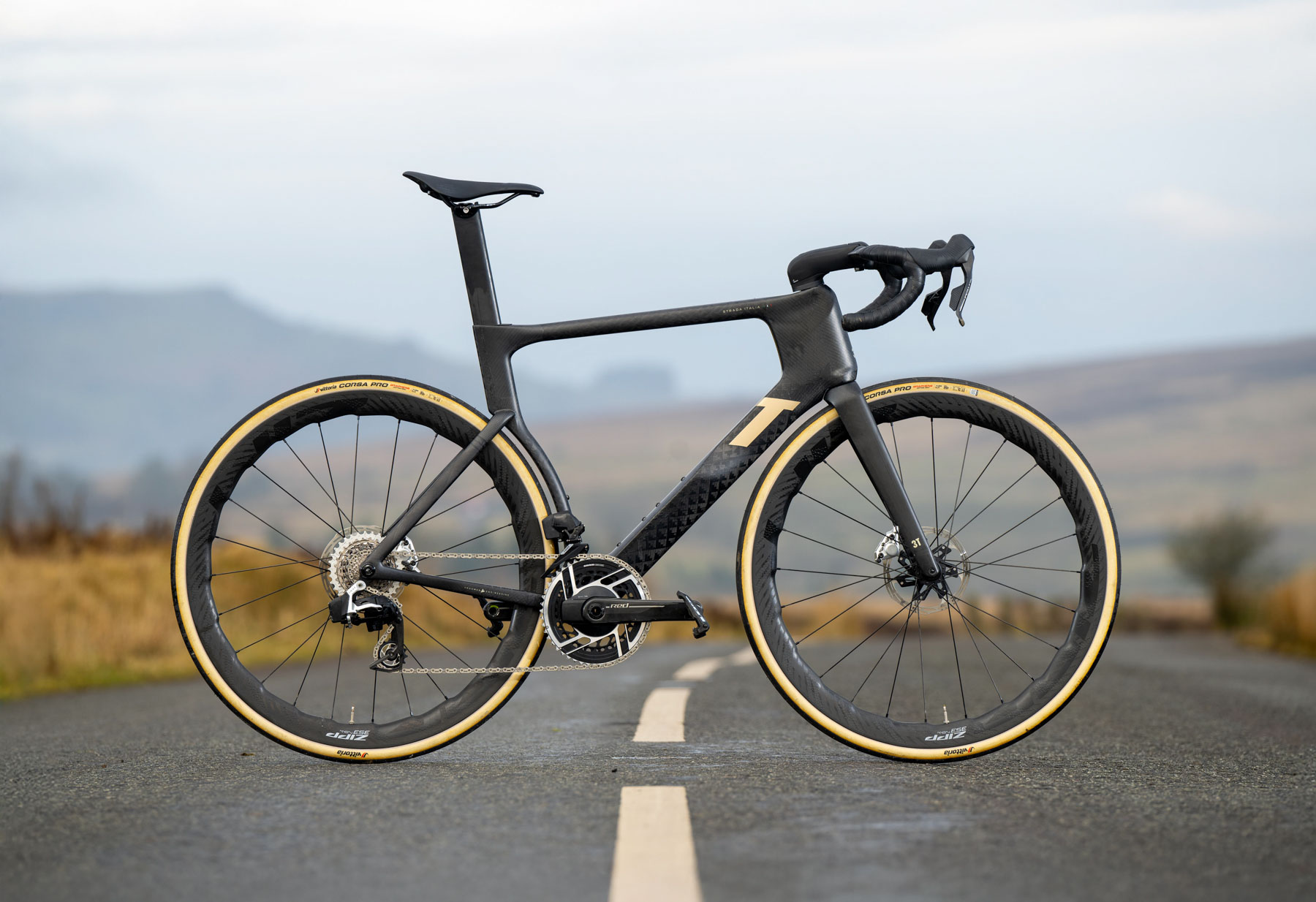
- £11,462 / $15,899 / €14,951 as tested by Warren Rossiter
- Pros: Impressive comfort; nimble handling; beautiful finish
- Cons: Pricey
The Strada Italia has aero bike efficiency with endurance bike geometry and tyre clearance for all-road duties, delivering impressive comfort.
Despite this, we found the Strada Italia to be a thoroughbred superbike, albeit a hard one to categorise.
Those with professional ambitions might be put off by its relatively relaxed riding position, while endurance riders may be discouraged by the aero tubes. However, both parties would benefit from this bike's unique combination.
It does come at a cost, although the spec of the bike goes some way to making up for that.
- Read more: 3T Strada Italia review
Best women’s road bikes
For various reasons, women’s-specific road bikes are few and far between these days, with many brands now opting for unisex models instead.
But if you do want one, there are still some brilliant options out there.
The best women’s road bikes often feature tweaked geometry and components that match the intended rider, such as narrower handlebars and women-specific saddles.
Liv EnviLiv Advanced 1
SQUIRREL_TEXT_13092424
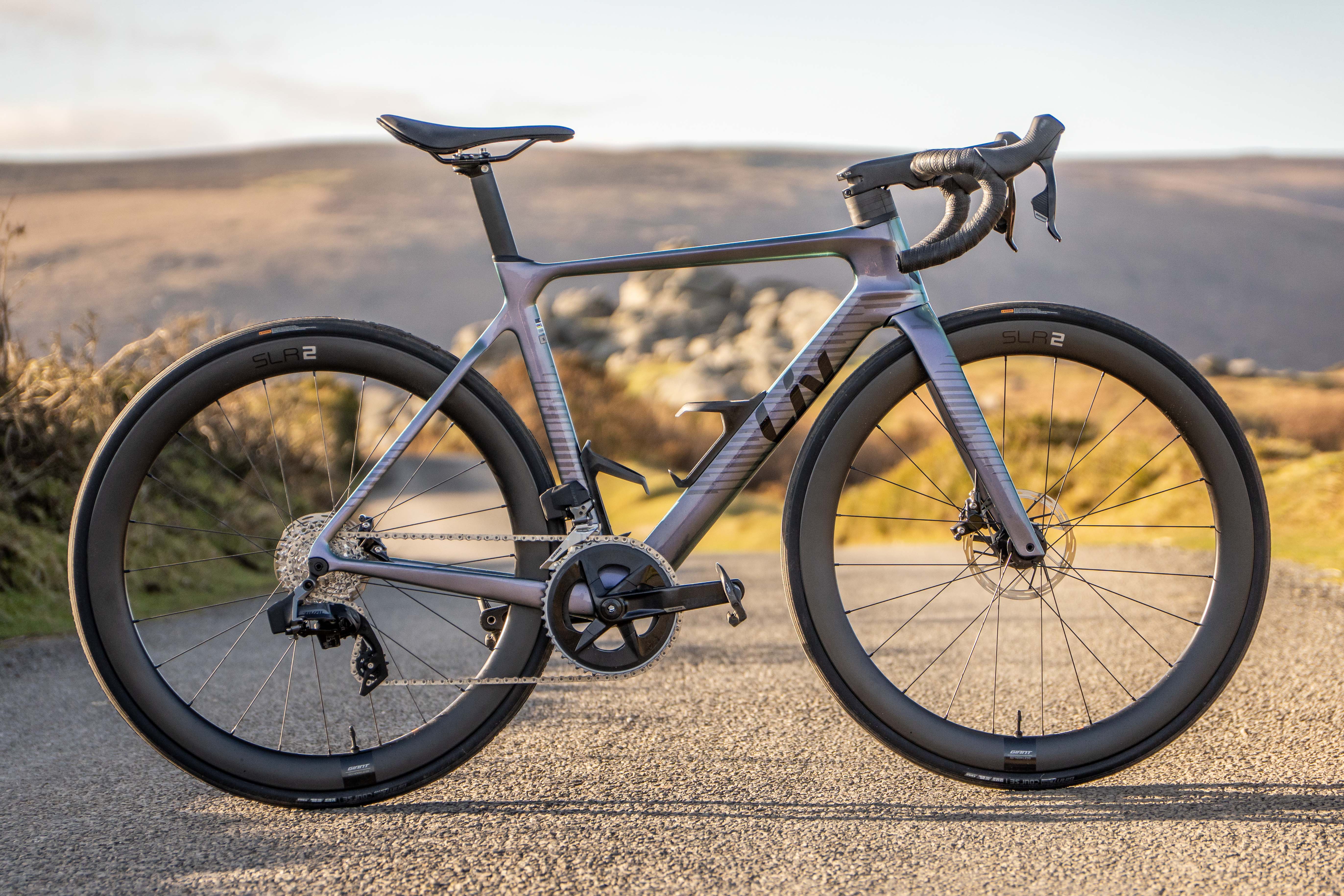
- £4,499 / €4,399 as tested by Katherine Moore
- Pros: Rapid on flat and undulating terrain; tubeless setup as standard
- Cons: Integrated seat-clamp design
Liv is the sister company of Giant, dedicated to making women’s bikes, and the EnviLiv is the women’s equivalent of the Giant Propel aero bike.
The EnviLiv shares similar speed and acceleration to the Propel but has a women’s-specific geometry and spec. Our tester appreciated how the geometry and women’s saddle helped counteract the stretched-out feel she can have on some road bikes.
She said the EnviLiv is best considered a specialist machine for triathlons, criteriums and road racing, and riders looking for more of an all-rounder should consider the Liv Langma.
- Read more: Liv EnviLiv Advanced Disc 1+ review
SQUIRREL_13092424
Liv Langma Advanced Pro 0
SQUIRREL_TEXT_13092667
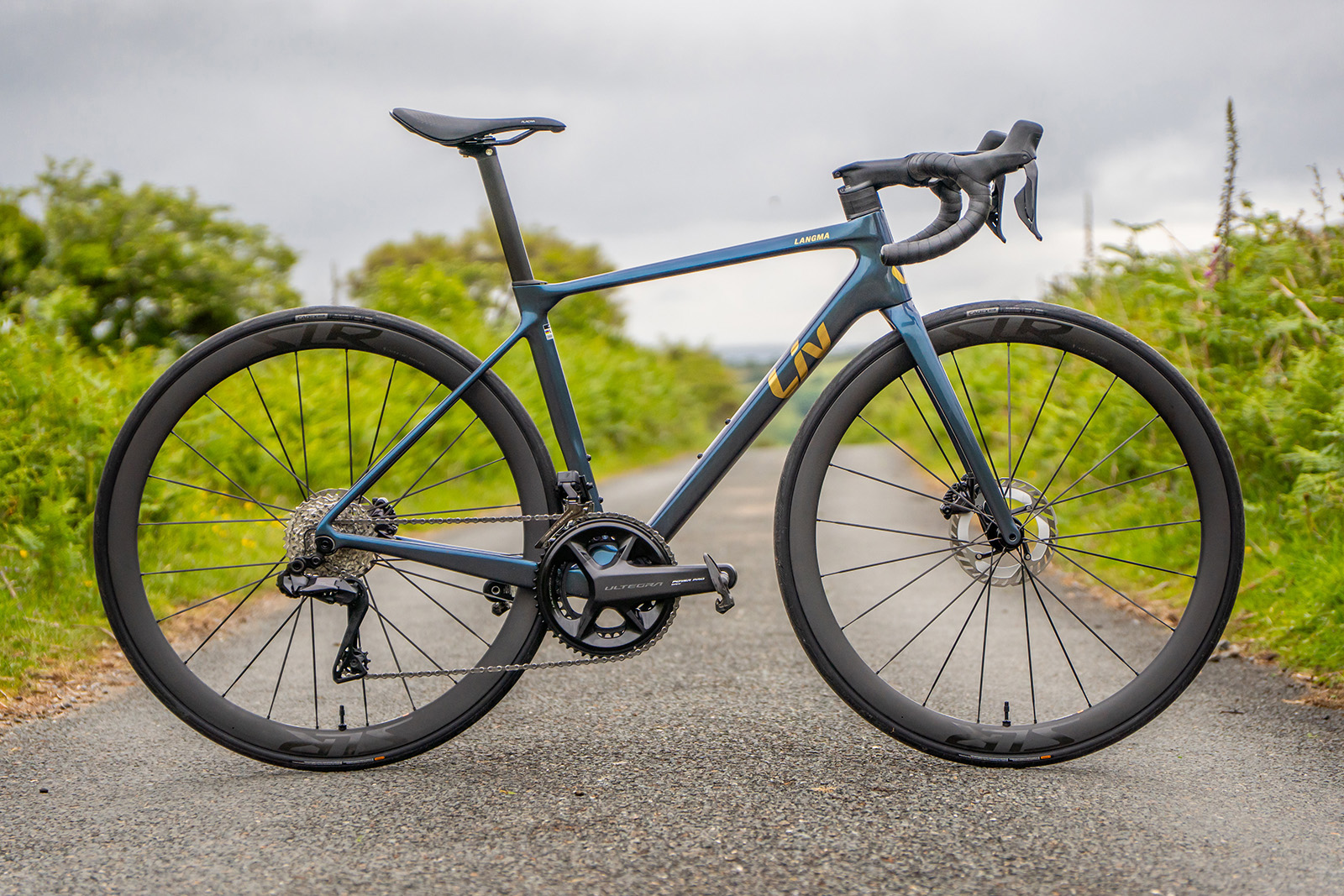
- £6,499 / $6,500 / €6,499 / AU$8,199 as tested by Katherine Moore
- Pros: Frame-size proportional bar width; reassuring handling; set-up tubeless out of box
- Cons: Bottle cages not included, as on other models
The Langma Advanced Pro 0 is the third version of Liv's premier all-round race bike with minor updates elevating it above its predecessors.
Brake and gear cables are now fully integrated and tyre clearance is up from 32mm to 33mm. Liv specs narrower handlebars wrapped in comfier tape and deeper section wheels.
These changes make the Langma Advanced Pro 0 feel faster yet just as compliant.
- Read more: Liv Langma Advanced Pro 0 review
SQUIRREL_13092667
Scott Contessa Addict 25
SQUIRREL_TEXT_13151943
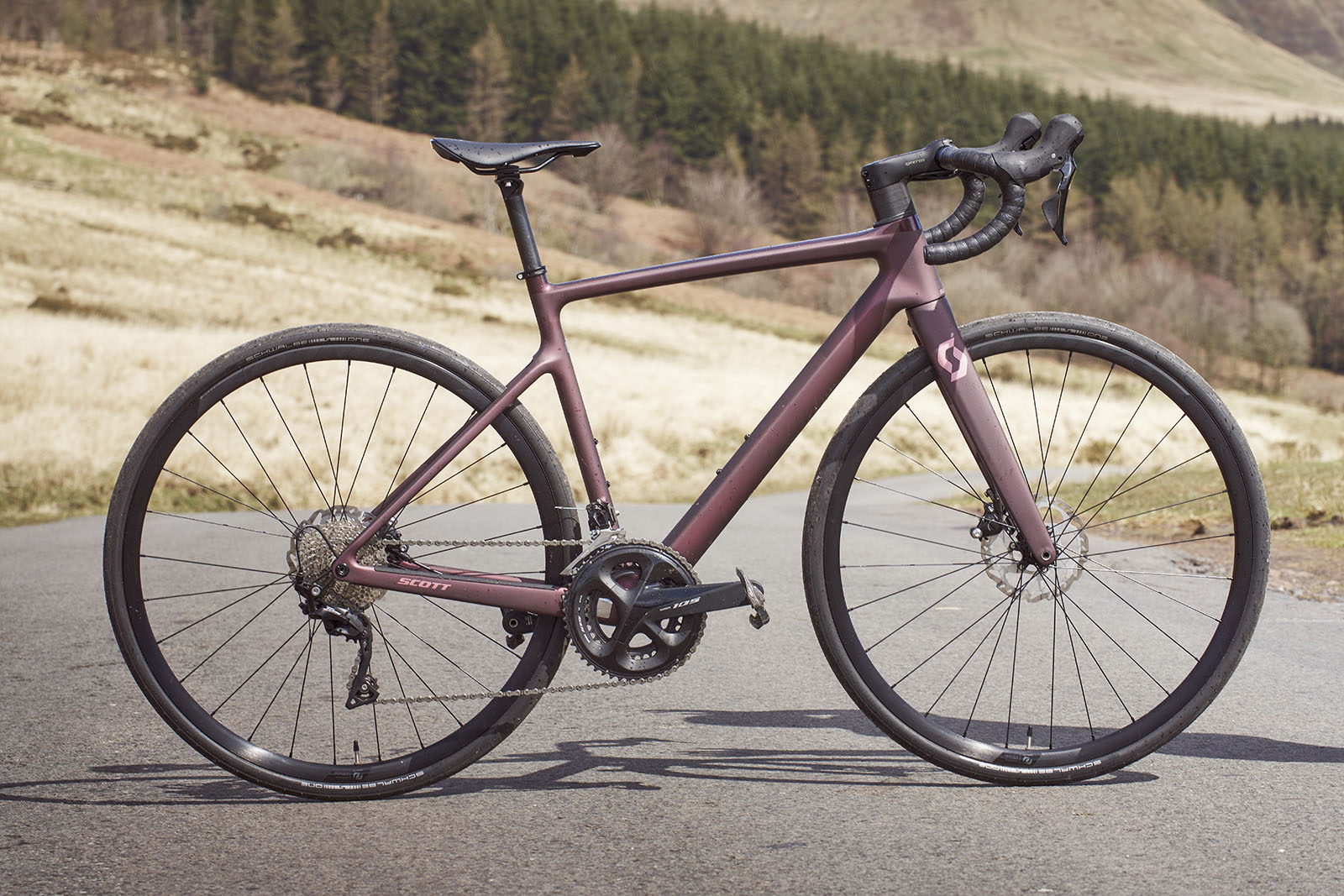
- £2,499 / $2,800 / €2,800 as tested by Katherine Moore
- Pros: Responsive, especially when climbing; value for money; hidden mudguard mounts
- Cons: Tyres not tubeless-compatible
The Scott Contessa Addict 25 won our Women’s Bike of the Year Award 2023, thanks to its well-considered build, lively yet comfortable ride and great price.
The carbon bike’s geometry is towards the racier end of endurance road bike and our tester found it to be no slouch, responding well to being ridden at pace.
The mechanical Shimano 105 groupset, wide gear range and hidden mudguard mounts make this a capable, versatile bike that will serve you well for miles of riding.
- Read more: Scott Contessa Addict 25 review
SQUIRREL_13151943
Best budget road bikes that are great for beginners
The best budget road bikes major in practicality and versatility, with accessory mounts that will make commuting a breeze and often generous tyre clearances for light off-road riding.
They make for an excellent stepping stone into the sport for beginners, as well as hack bikes for those not wanting to trash their pride and joy on the commute or through the winter months.
Cannondale CAAD Optimo 1
SQUIRREL_TEXT_13151965
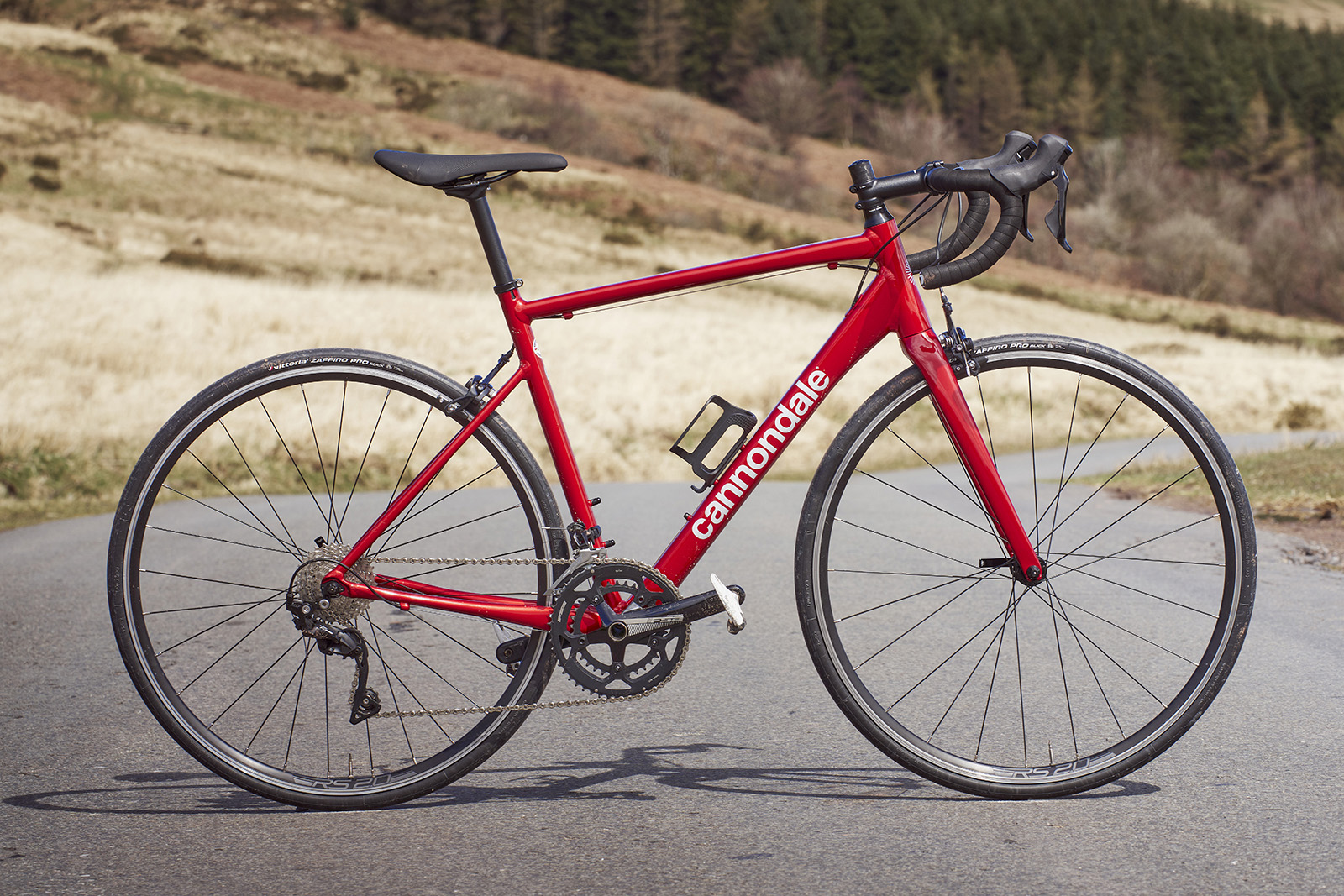
- £1,300 / $1,305 / €1,499 as tested by Robin Wilmott
- Pros: Low weight; smooth and balanced ride
- Cons: Not a complete 105 groupset
The Cannondale CAAD Optimo 1 won our Budget Road Bike of the Year category in 2023.
Cannondale has a reputation for high-quality aluminium bikes – for instance, the CAAD13 – and the Optimo lives up to that legacy with an excellent frame.
The frame is matched with good components, including a 105-based groupset, which all comes together to create a light and smooth bike that's satisfying to ride.
- Read more: Cannondale CAAD Optimo 1 review
SQUIRREL_13151965
Specialized Allez E5
SQUIRREL_TEXT_13115951
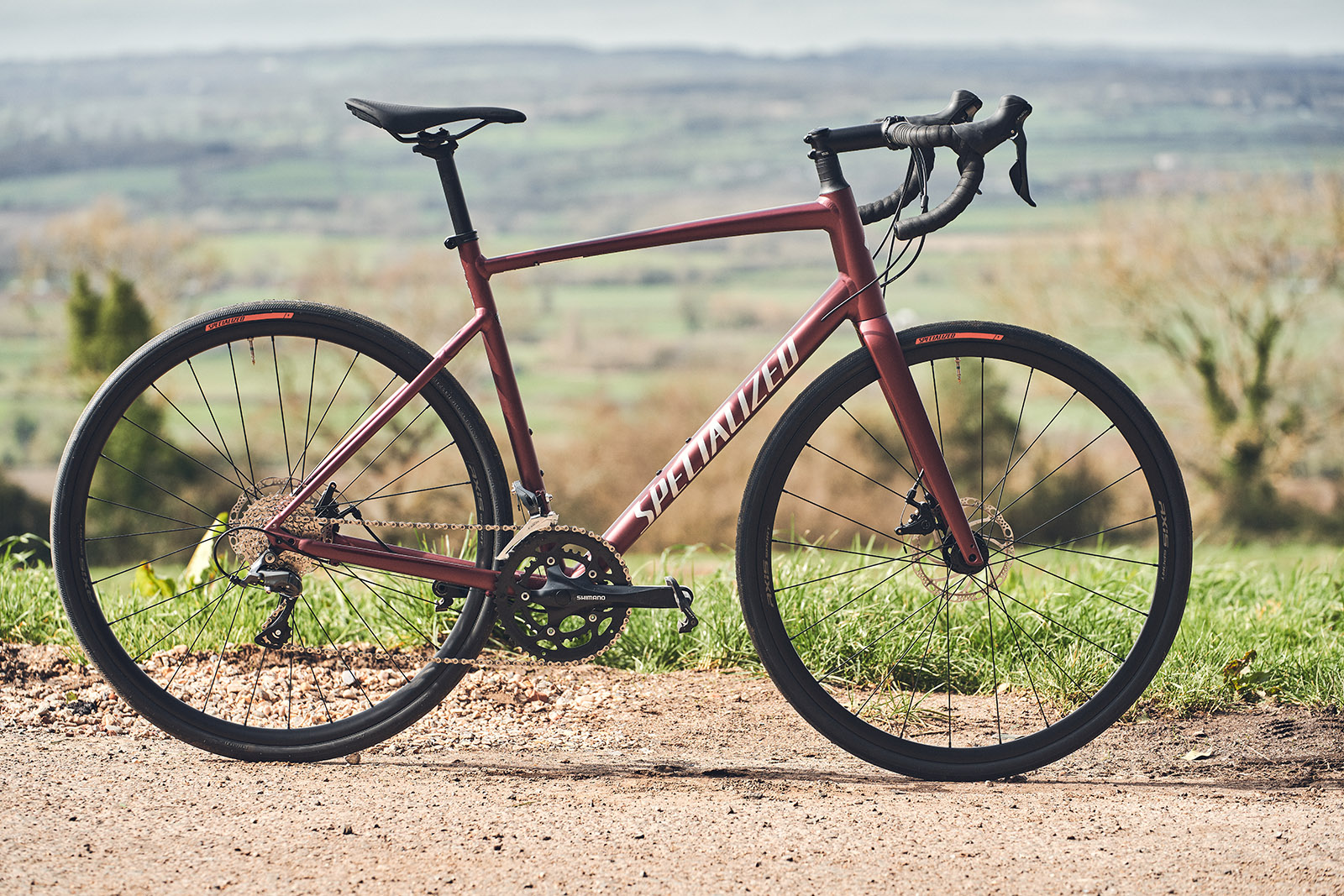
- £1,000 as tested by Ashley Quinlan
- Pros: Race-bike like handling; predictable overall behaviour; slick drivetrain
- Cons: Brake performance was disappointing; upgrading to a full hydraulic brake system requires upgrading the drivetrain
The Specialized Allez E5 offers great versatility and sharp handling with plenty of potential.
Its relaxed geometry makes it comfortable enough for longer rides, while the responsive frame gives it a lively feel when you put the power down.
The Shimano Claris 2x8 drivetrain provides a wide range of gears, and the 30mm tyres add useful comfort on rough roads.
There’s also clearance for tyres up to 35mm, plus mounts for mudguards and a rear rack.
At 10.3kg, it isn’t especially light, but the quality frameset gives it plenty of upgrade potential; the only weakness is the mechanical disc brakes, which lack power and feel, and would require a new drivetrain to replace.
- Read more: Specialized Allez E5 review
Trek Domane AL 2 Gen 4
SQUIRREL_TEXT_13123797
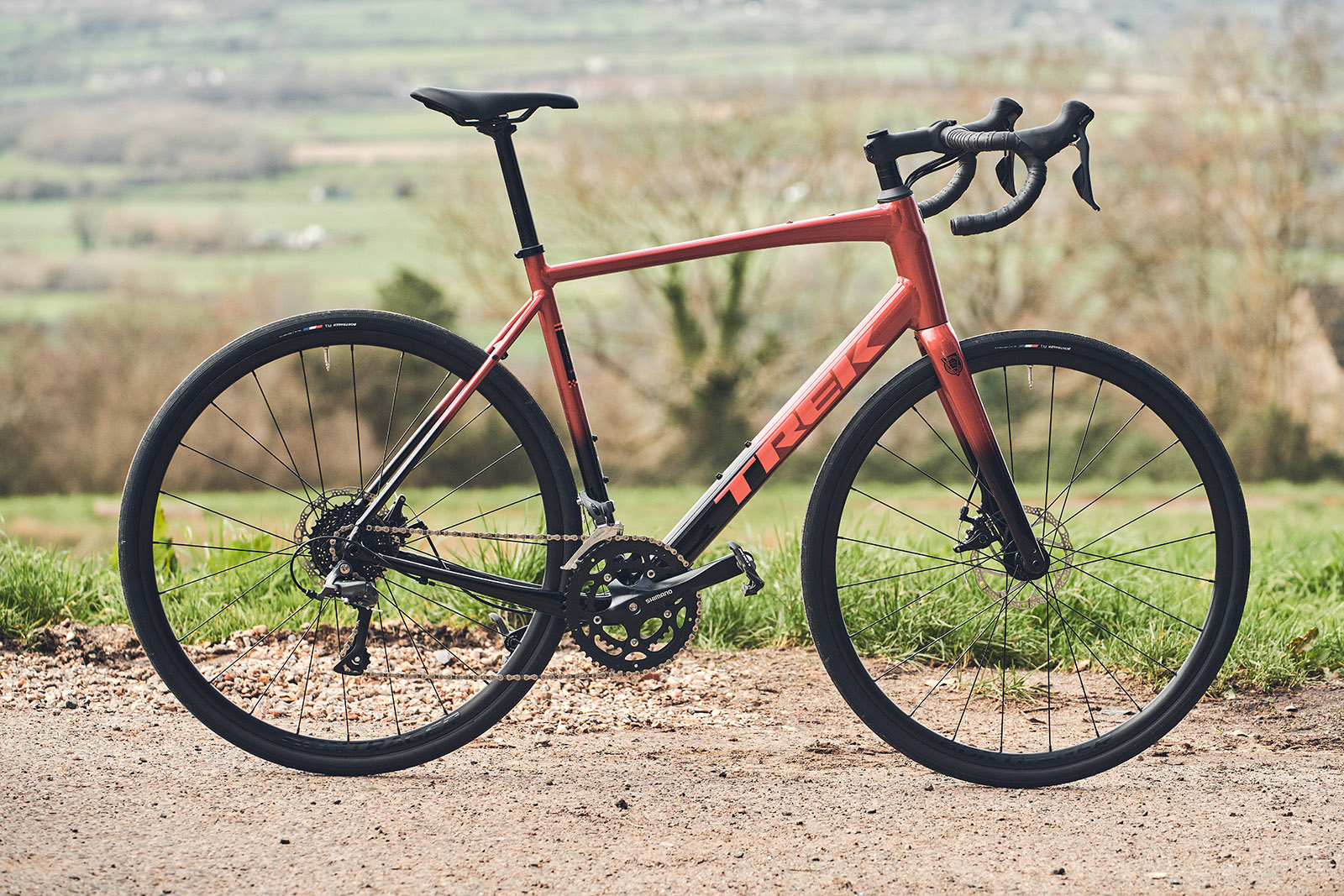
- £1,050 / $1,200 / €1,199 / AU$2,000 as tested by Ashley Quinlan
- Pros: Steady handling; upgradable and adaptable frame; crisp shifting
- Cons: Mechanical disc brakes
Like more expensive Domanes, the Trek Domane AL 2 Gen 4 is a practical, comfortable and playful endurance road bike.
Clearance for 38mm tyres, mudguard mounts and top tube bag fixings augment the alloy Domane's versatility. Winter road cycling, bikepacking and commuting are all within its capabilities.
The lively frameset is worth upgrading, but to switch to hydraulic disc brakes, you'll have to swap the entire drivetrain. This is a shame because the Shimano Claris gears shift well.
- Read more: Trek Domane AL 2 Gen 4 review
SQUIRREL_13123797
How we test road bikes
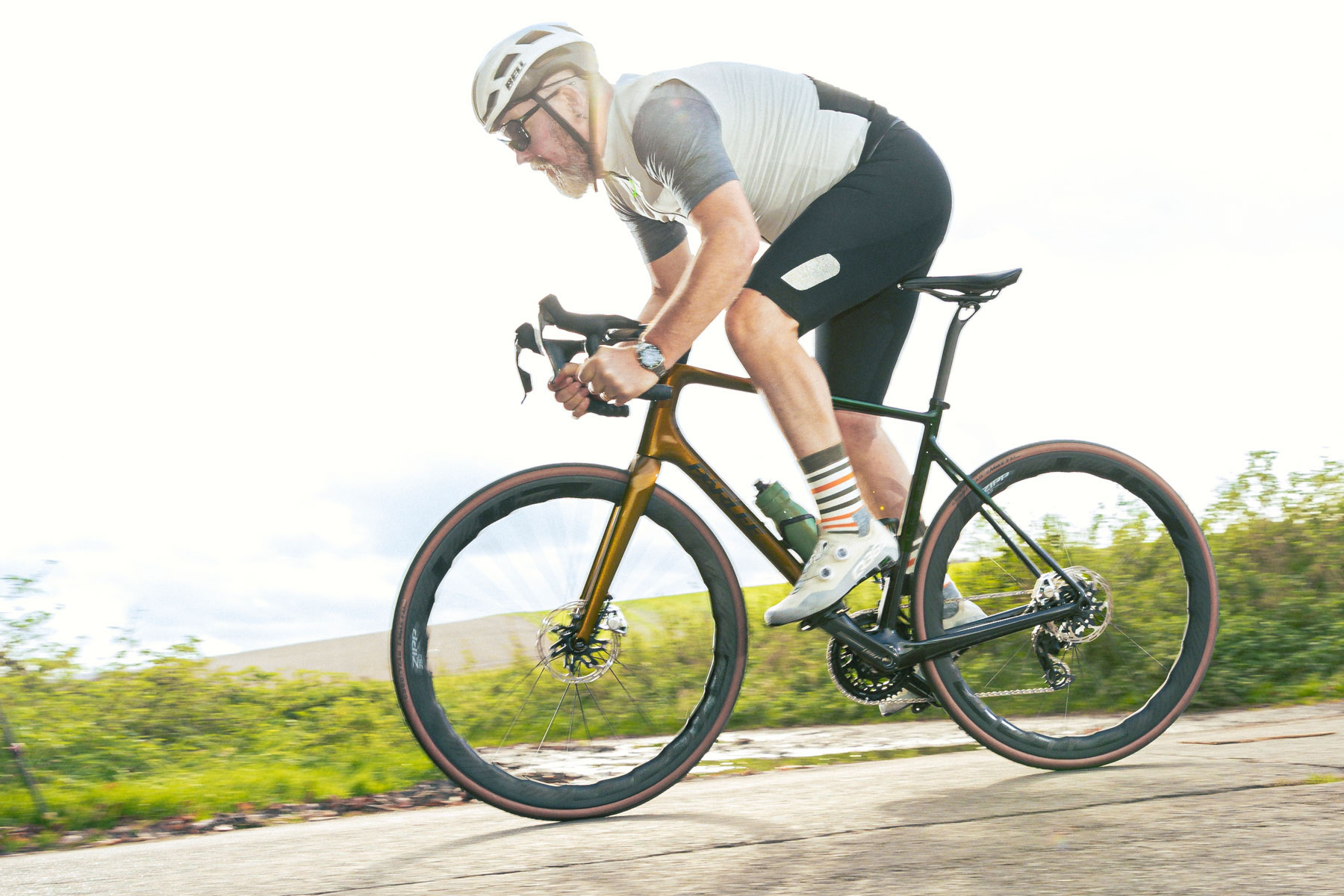
We’ve been testing road bikes since BikeRadar’s inception in 2007, tracking every major development in road bike tech, from the advent of electronic groupsets to the widespread adoption of disc brakes.
We’ve tested all the major road bikes of the last 17 years, from the first gravel bikes to the latest aero road bikes, covering everything from budget rides to pro-level superbikes.
Since BikeRadar was founded, we've reviewed more than 15,000 bikes and products, and our annual Bike of the Year test has become an industry benchmark.
Working with our colleagues at Cycling Plus magazine, our road bike reviews are always editorially independent – with no exceptions. Our reviewers comprehensively test each bike, always reflecting on performance, value and the wider market when delivering their verdict.
Our current testers are widely respected by the cycling industry.
How we select the bikes we test
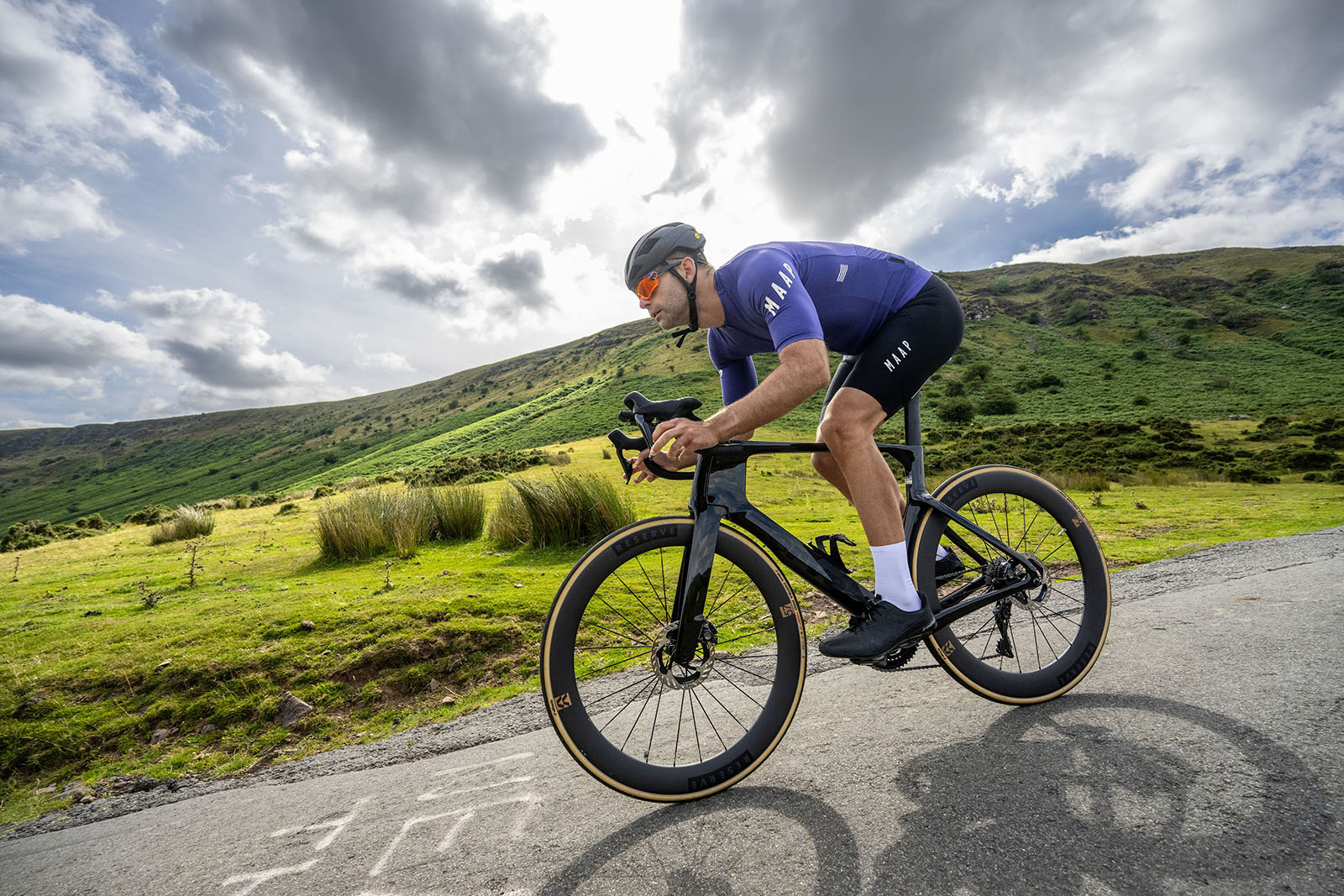
We select the bikes to review using market research and search data.
In other words, we use the data and insights are available to us to ensure we select products people are looking for.
While we'll always make space for niche or smaller brands, focusing on products our audience care about helps us reach as many cyclists as possible.
Broader trends also inform our testing decisions. For example, in a year when endurance road bikes are all the rage, we may focus our efforts there to deliver the best up-to-date buying advice for you.
Most of our testing takes place in the UK, and while we make every effort to focus on bikes that are available globally, local market conditions invariably shape the products we review.
In the same vein, some brands may not wish to send us review products, or won't send the model we'd like to test.
This is the same reason why we often review many expensive bikes, even if that's not always what our audience want to read about.
Finally, our team's resources are finite, and it will never be possible to review every product on the market.
But we always welcome feedback and direction on the bikes you'd like us to review, so please leave comments below or email news@bikeradar.com if there's a key model you think we should test.
How to choose a road bike by price
Best road bikes under £750 / $750
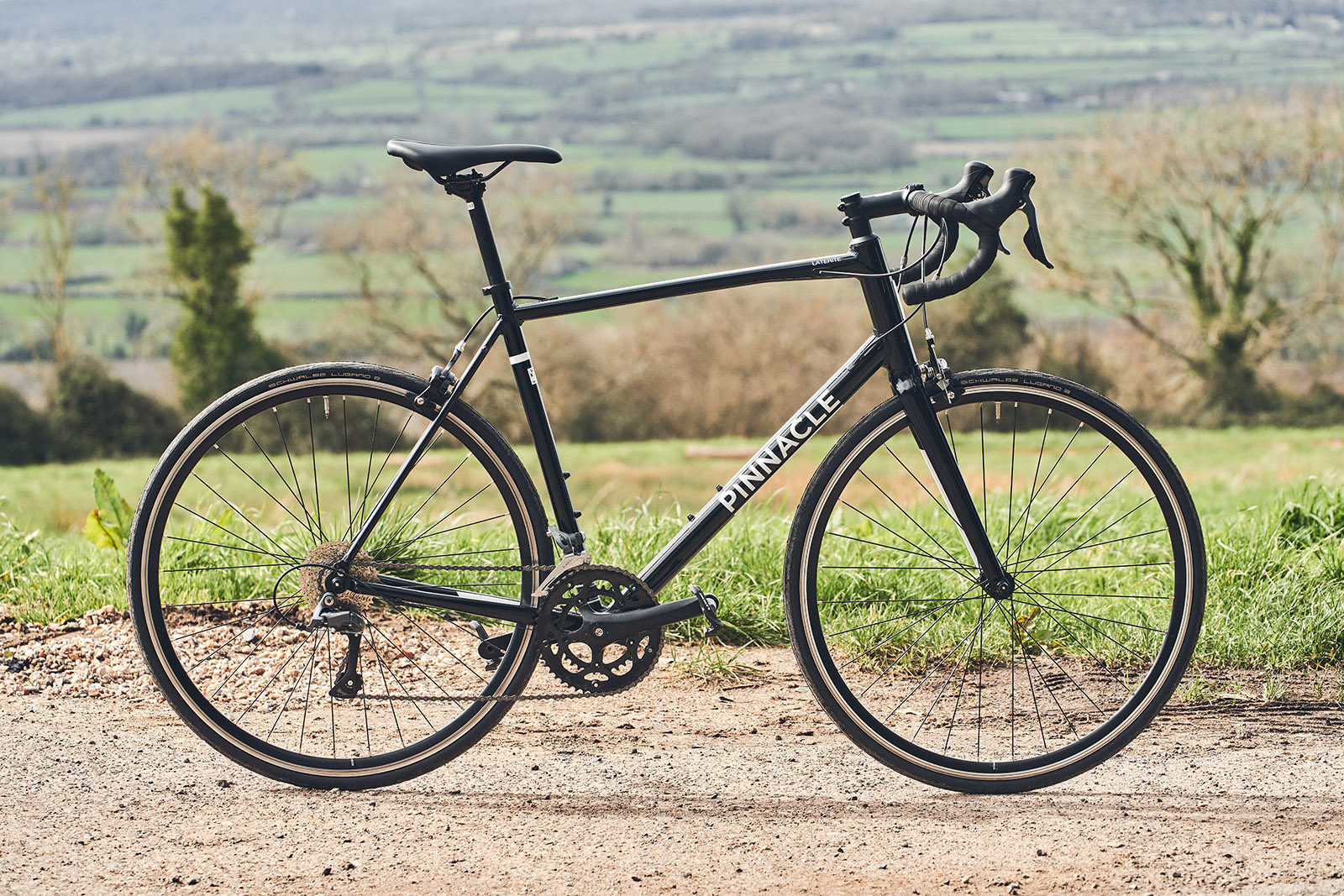
Getting into road riding needn't cost you a fortune. Even just £350 / $350 will buy you a bike that will get you started with the world of road riding, although spending even slightly more will get you a significantly better bike.
Our full buyer's guide to the best cheap road bikes is a great place to start, and we've got tips for second-hand bike buyers, too.
Best road bikes under £1,000 / $1,000
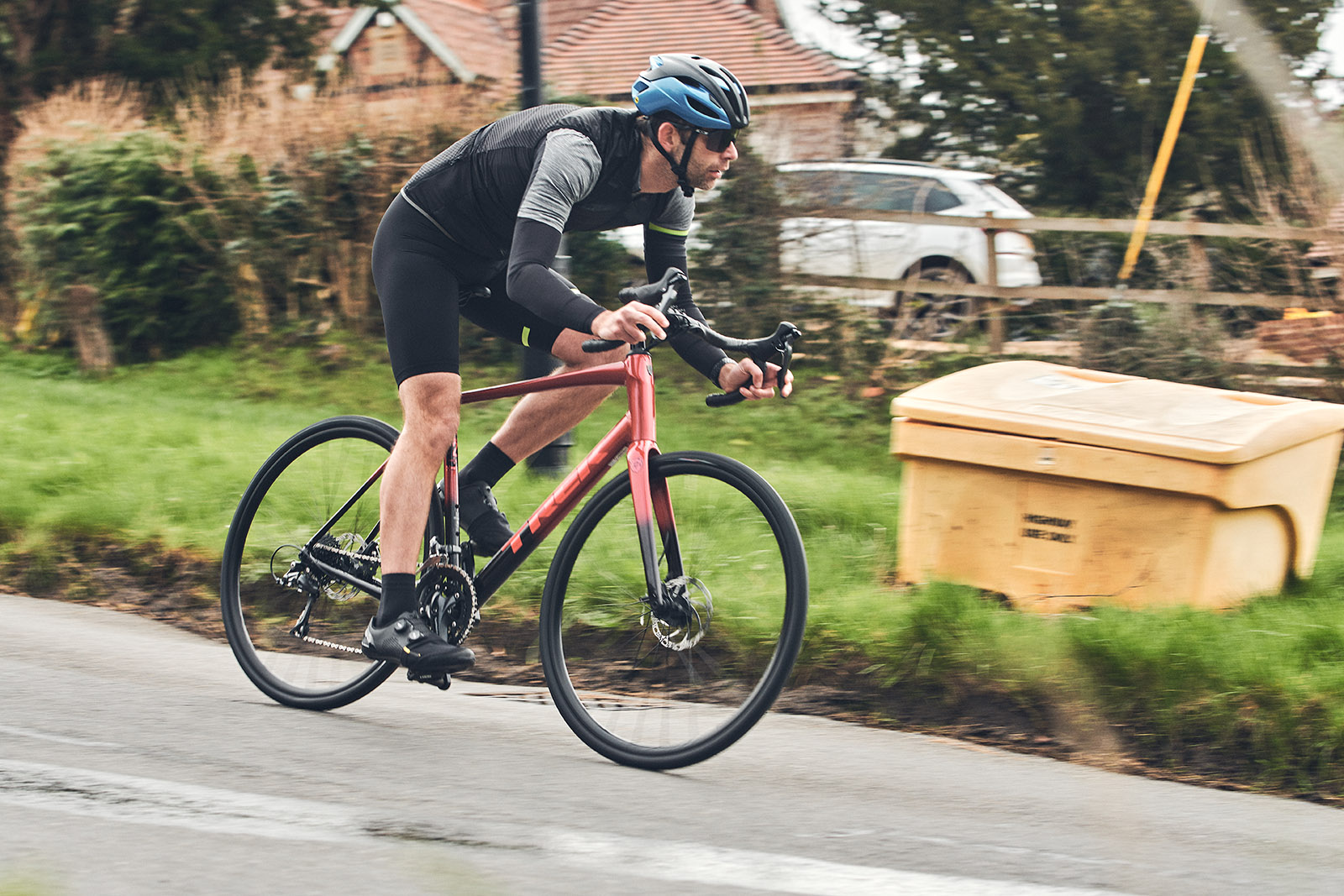
The best road bikes under £1,000 are a great starting point if you are new to cycling, or if you're unsure how much riding you’ll be doing.
Best road bikes under £2,000 / $2,000
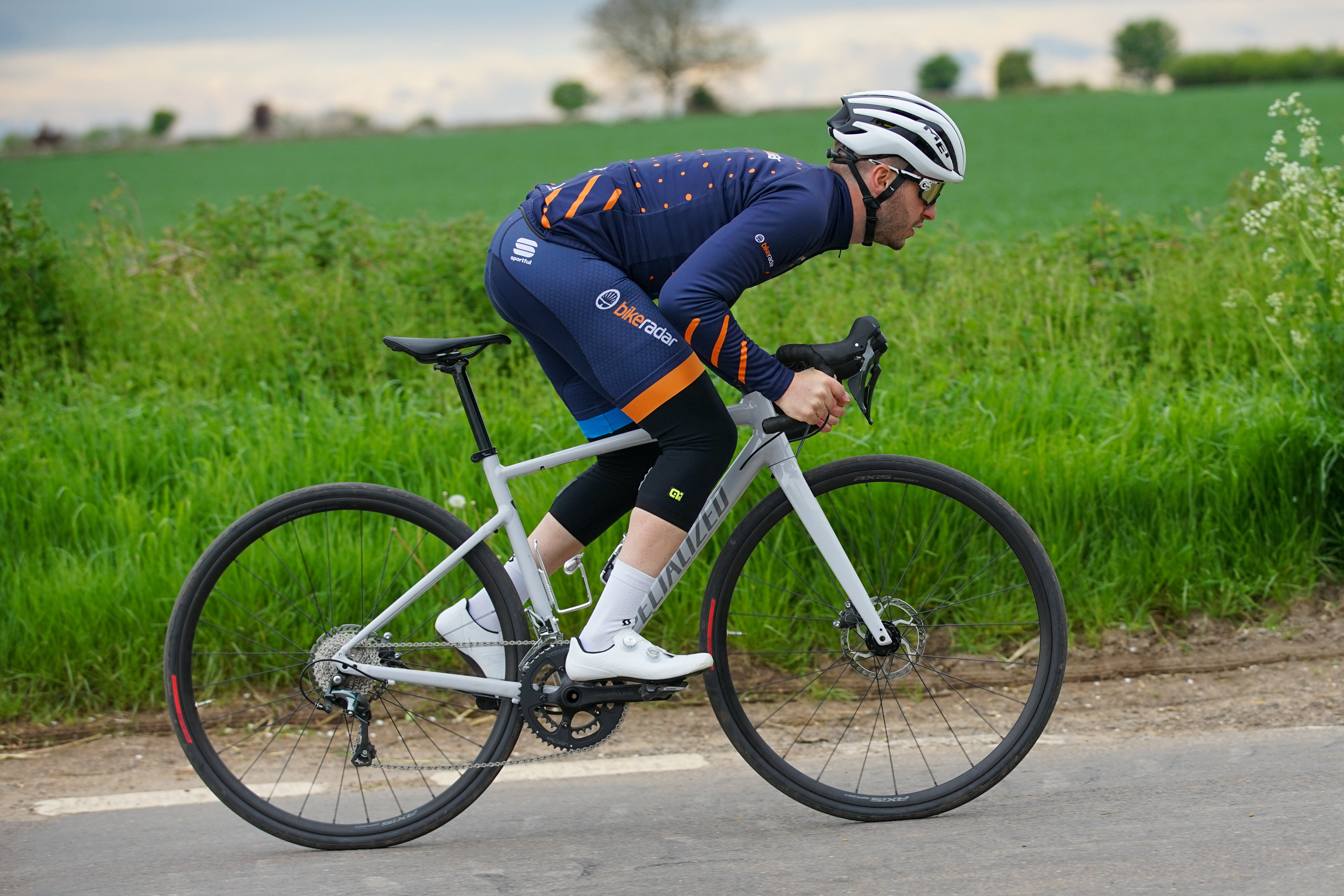
The pro-level superbikes that fall into the price range beyond this bracket are truly amazing and it’s easy to be tempted by them.
But don’t worry if you can’t get your hands on one without remortgaging your house because the best road bikes under £2,000 still bring you into great bike territory.
Best road bikes under £3,000 / $3,000
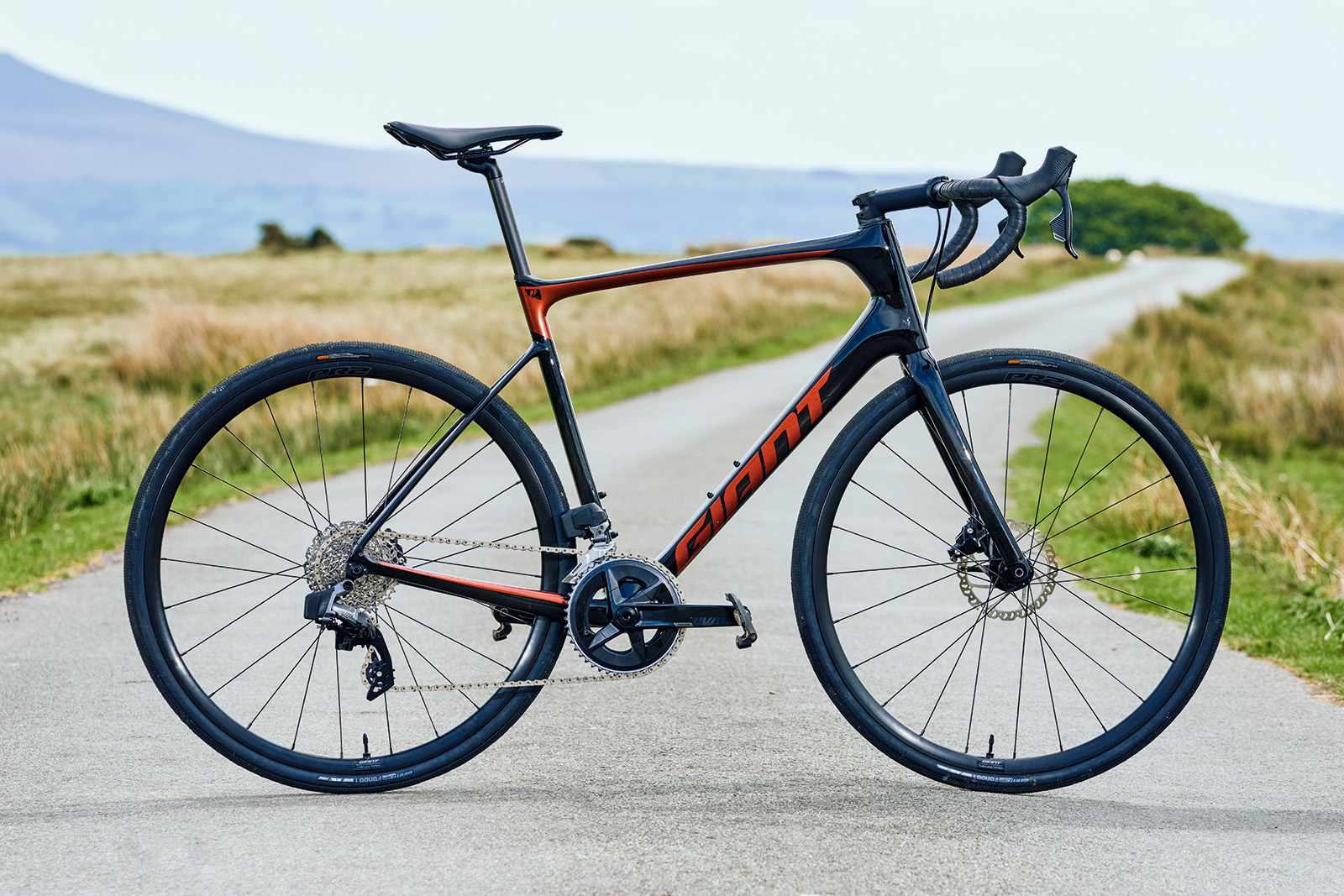
This sort of price range used to be the sole preserve of the dedicated race bike. But the profile of this section of the market has changed and the best road bikes under £3,000 are now just as likely to be sportive/endurance models.
Road bike buyer’s guide
What kind of road bike should I buy?
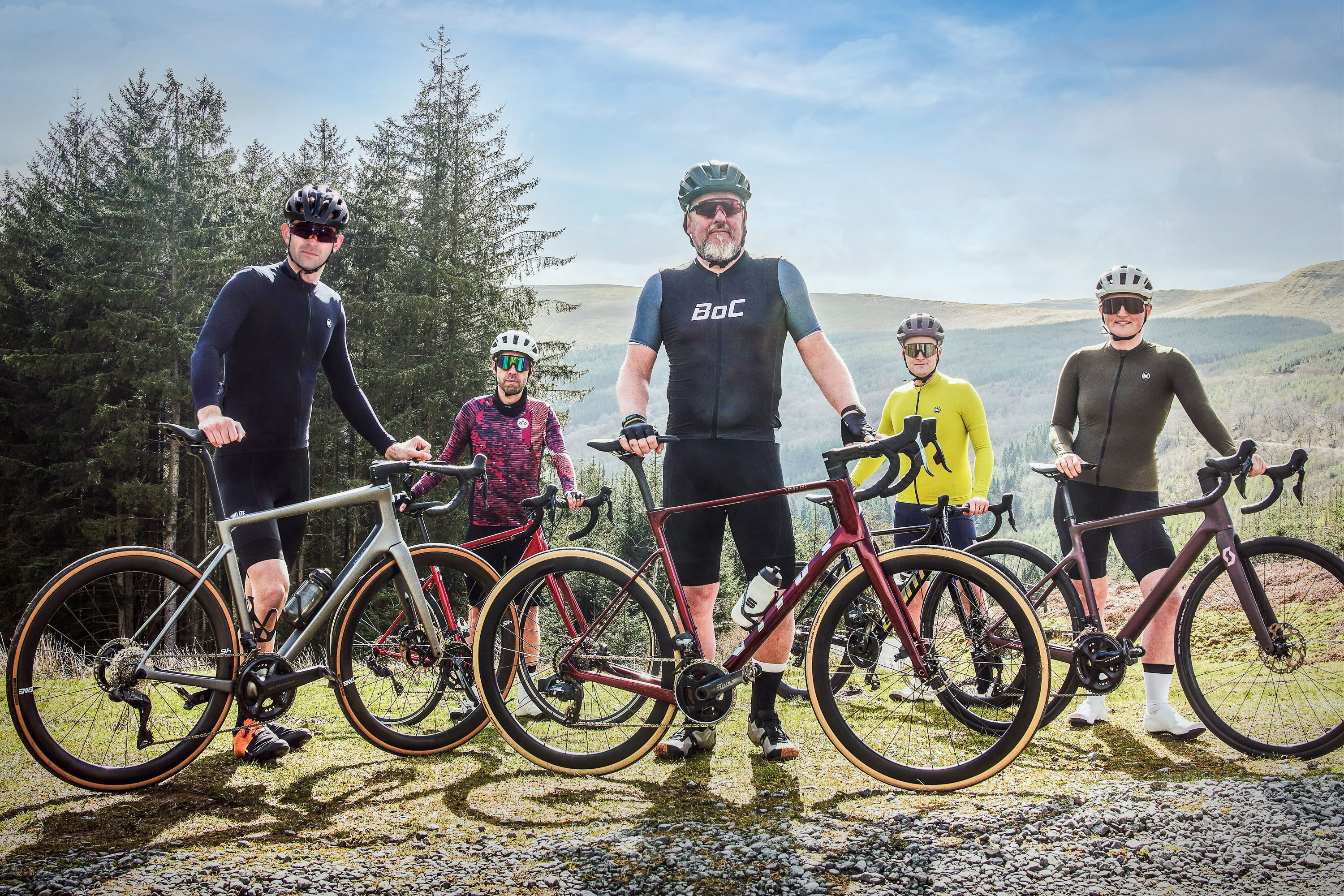
Road bikes fall into two general broad categories: race and endurance.
Race bikes put the rider’s torso in a lower, more aerodynamic position and typically have more aggressive geometry for quick handling.
Endurance road bikes put the rider in a more upright position and the frame angles are a little more relaxed for confidence-inducing stability and long-distance comfort. These are sometimes also known as sportive bikes.
All-road bikes are becoming a burgeoning category and largely mimic an endurance bike but offer larger tyre clearances, although not quite to the extent of gravel bikes.
In either category, you should expect to pay between £500 / $500 and £1,000 / $1,000 for a high-quality, entry-level machine that will give you years of trouble-free service.
The best way to learn the difference between the two is to ride both, either through test rides at an event or a shop, or by borrowing a bike from a friend.
Niche sub-categories
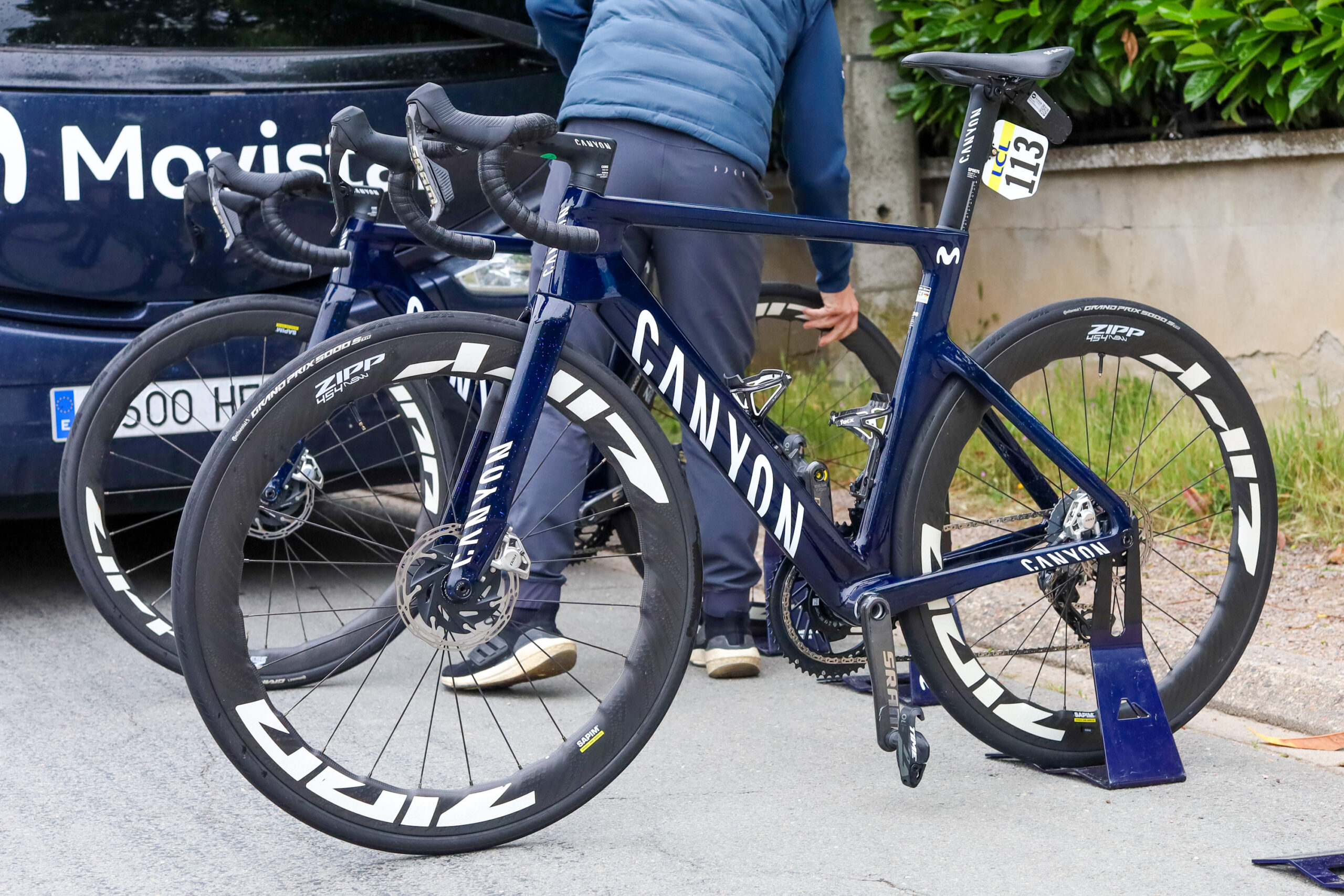
Underneath these two broad categories are more niche categories, tailored to more specific demands.
There are two main sub-categories of race bikes. Aero bikes will provide out-and-out speed. The best climbing bikes prioritise low weights over aerodynamics.
The best winter road bikes tend to fall into the endurance category and you could make a case for the best touring bikes to be in this category, too.
A growing category of road bikes is electric road bikes, which have motors to help assist you on your ride.
What are road bike frames made from?
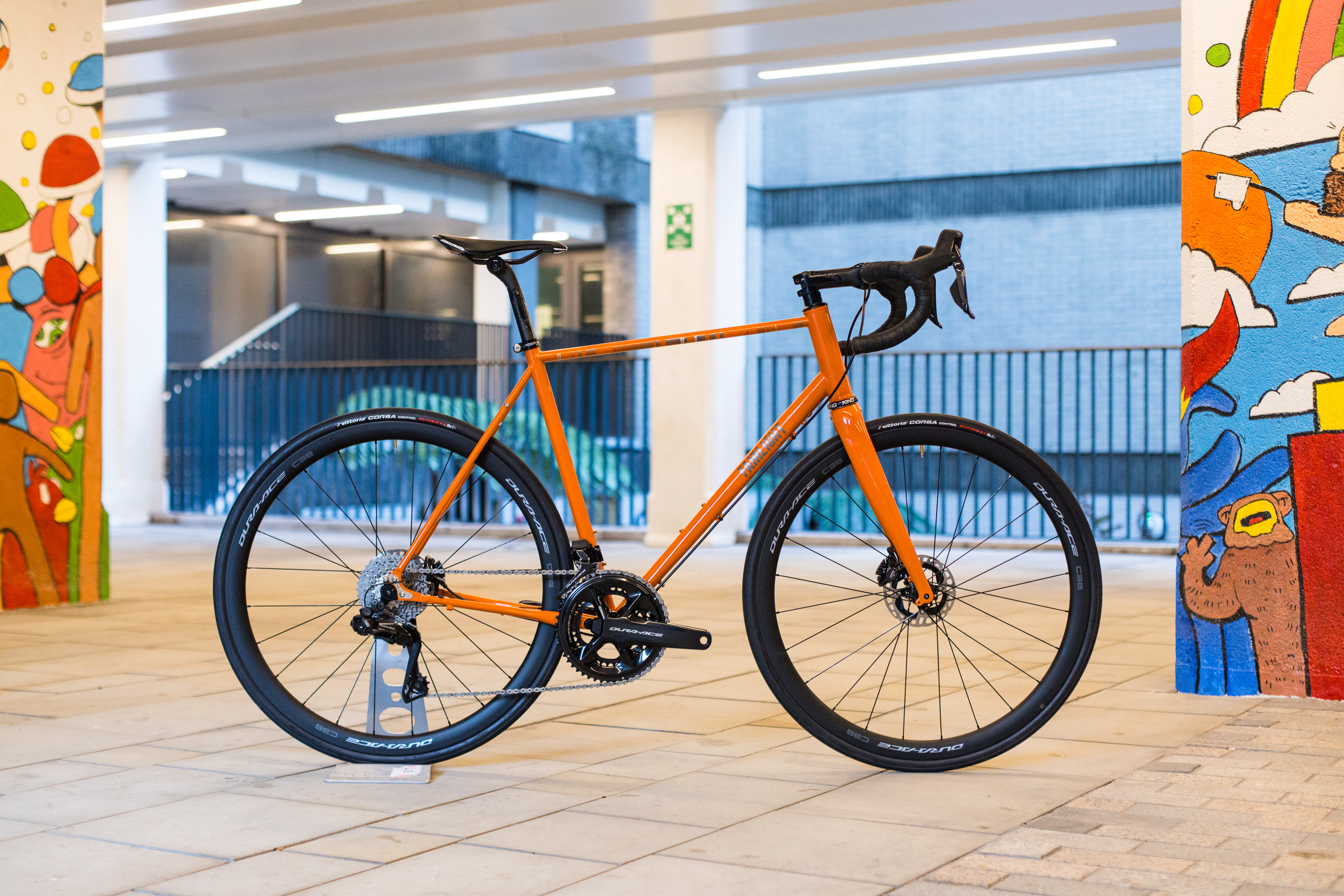
One of the main differences between road bikes will be the material used to make the frame.
Many of the most expensive road bikes will be made from carbon fibre, because it has a high strength-to-weight ratio, allowing brands to create lightweight and efficient bikes.
The best aluminium road bikes can offer a ride experience and a similar level of performance to carbon road bikes but are generally more affordable, due to aluminium being a cheaper material. They do tend to be heavier, though, but not always by that much.
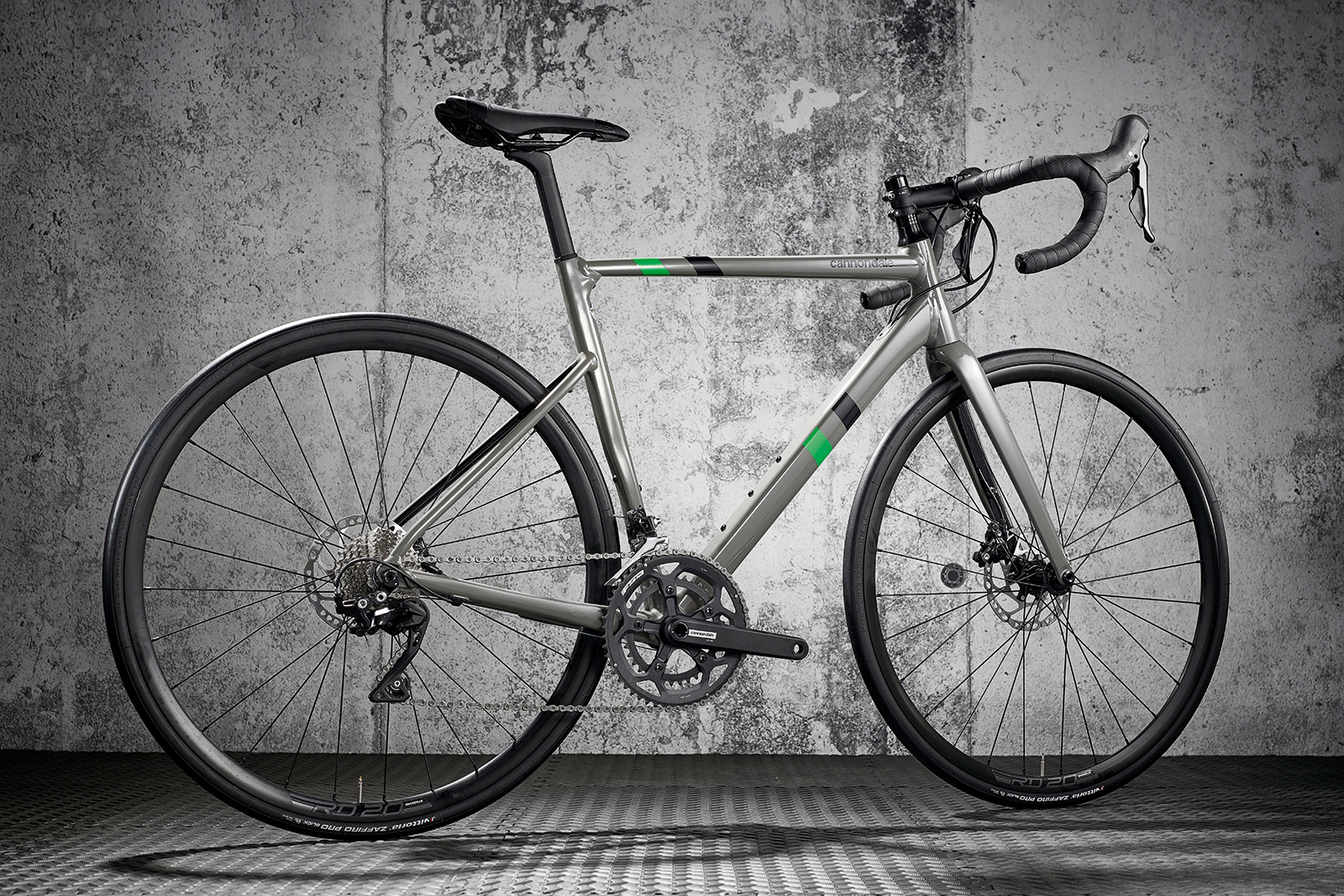
Many of the most affordable road bikes are made from aluminium.
The best steel road bikes offer classy and classic looks, and many riders say this frame material gives a ride quality like no other, absorbing bumps in the road while providing a ‘zingy’ ride feel.
The best titanium road bikes are often a large investment due to the difficulty of working the material. But, like steel, they are desirable for their unique feel, appealing looks and their exclusivity.
Road bike groupsets explained
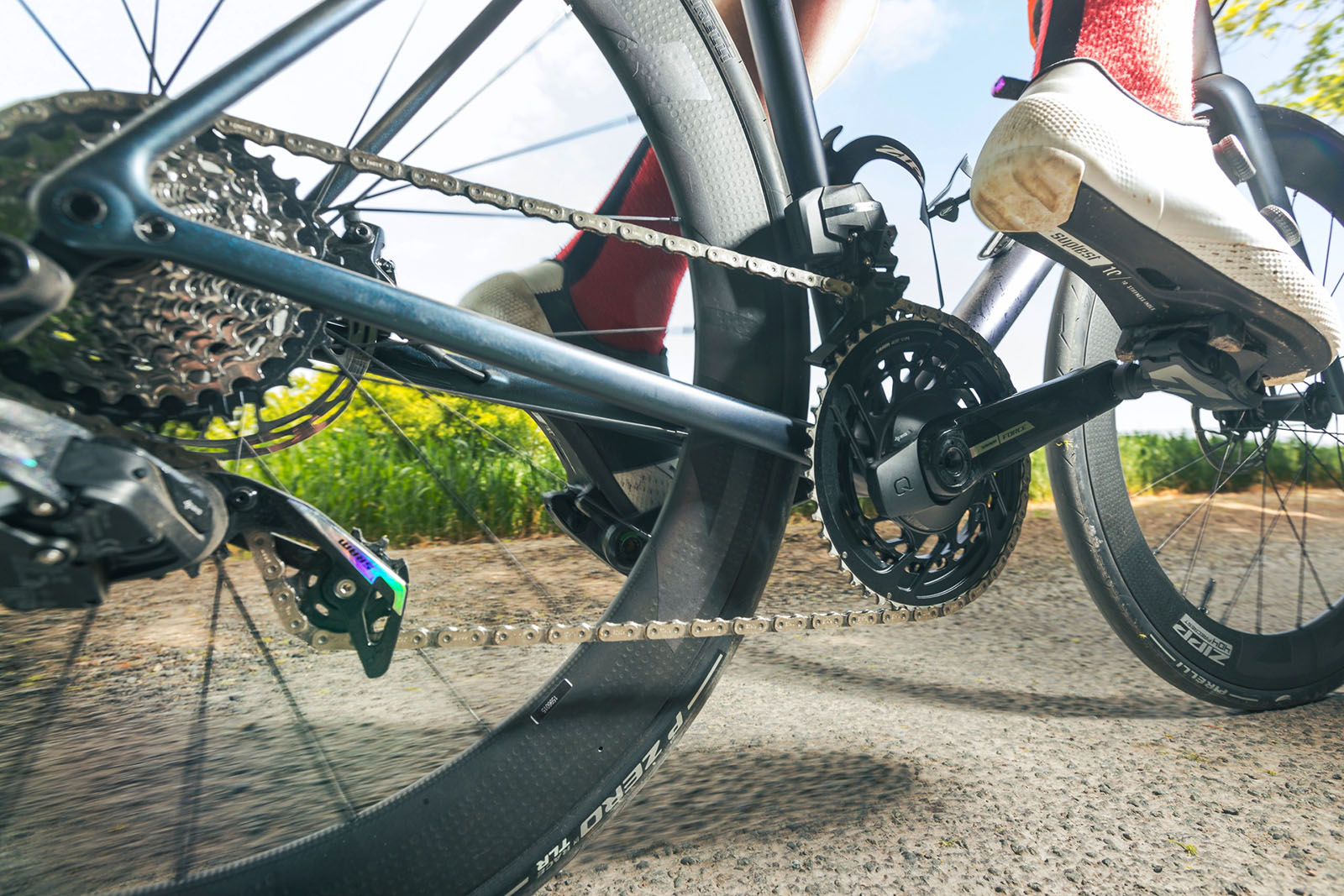
Road bike gearing has evolved considerably. Most road bike drivetrains now have two chainrings and between nine and 12 cogs – or now, even 13 – in the rear.
Shimano and SRAM are, by far, the most common drivetrain brands, although you will find Campagnolo, Microshift and FSA components out there too.
In general, endurance bikes have smaller gears, meaning it’s easier to get up hills, while race bikes have larger gears for higher top-end speed.
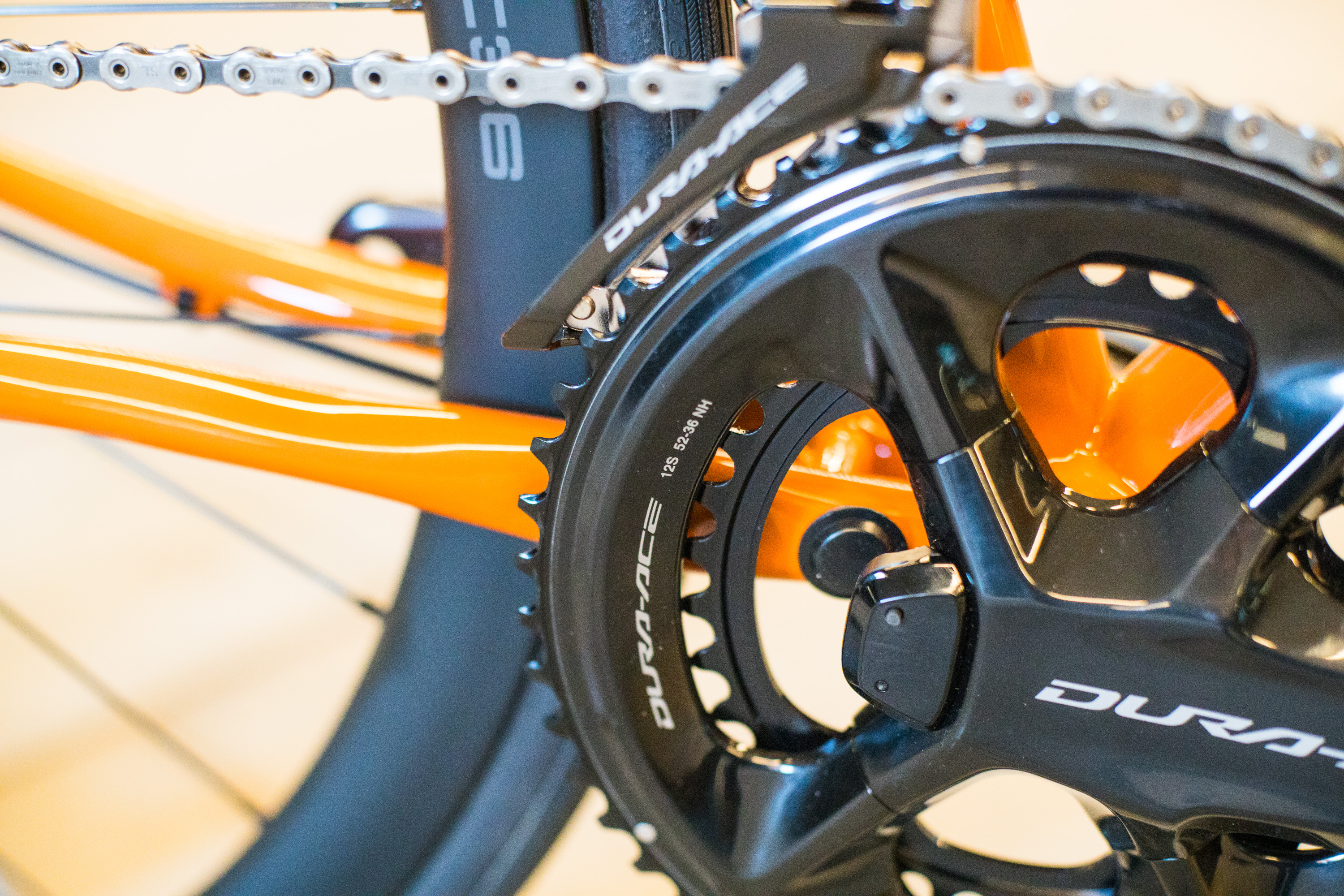
Bigger chainrings mean more outright speed (and effort), and smaller chainrings – dubbed compact – mean less effort.
Some road bikes use 1x drivetrains, which omit a front derailleur and have a wider cassette range, although this is more popular on gravel bikes.
For a detailed breakdown of the options, see our buyer’s guide to road bike groupsets.
Rim brakes or disc brakes?
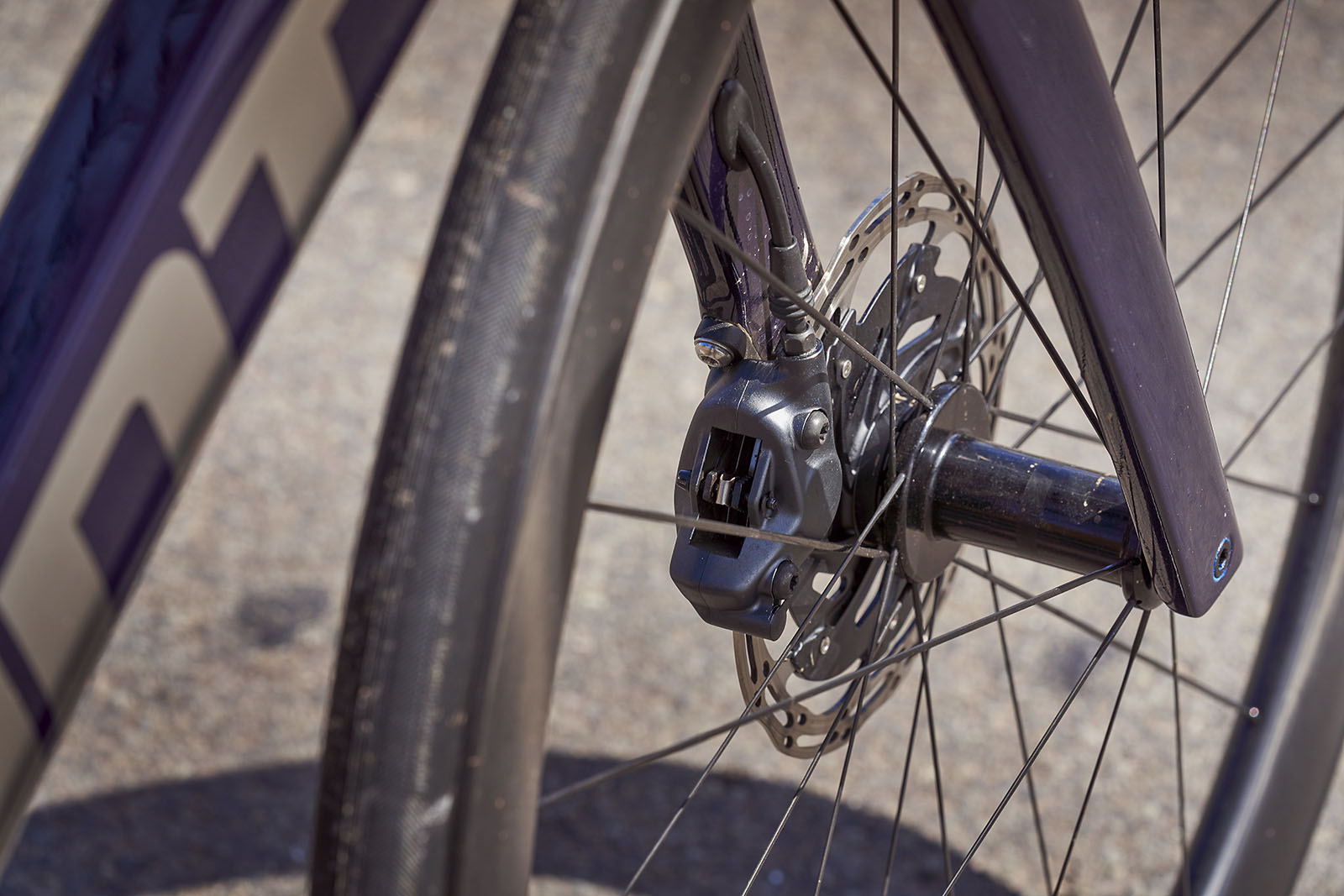
For decades, road bikes used caliper rim brakes, where blocks of rubber squeezed against the rims.
Now, however, the majority of mid-range and high-end road bikes come equipped with disc brakes, which have been used on mountain bikes for many years.
The disc brakes vs. rim brakes debate is endless but, in short, discs offer superior braking in wet weather, but are heavier and slightly more hassle to maintain.
Rim brakes are still common on more affordable bikes, and they remain a perfectly viable option for many riders.
Note that the majority of rim brake bikes cannot be converted to discs and vice versa, so once you’ve made your choice, you’re committed to it.
Aluminium or carbon fibre wheels?
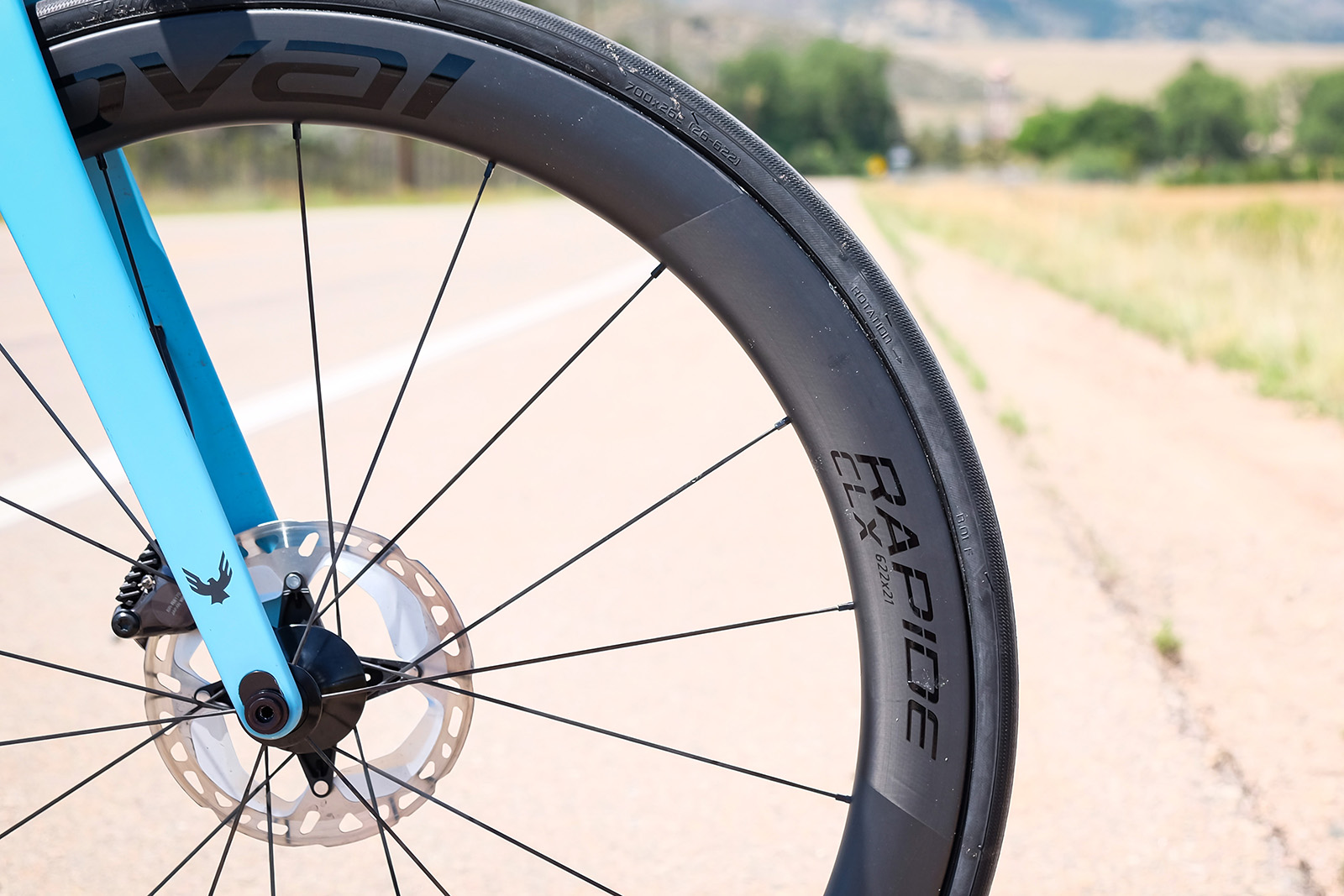
With few exceptions, road bikes will come with 700c wheels with either aluminium or carbon fibre rims.
Aluminium rims come as standard on many road bikes, particularly at the lower end of the price spectrum, because they are relatively cheap to produce.
Carbon rims are becoming increasingly common on new, complete bikes. Wheels with carbon rims can be even lighter than those with aluminium rims. They can be more aerodynamic too, because the high strength-to-weight ratio of the material means manufacturers can create ‘deep-section’ rim profiles that aren’t prohibitively heavy.
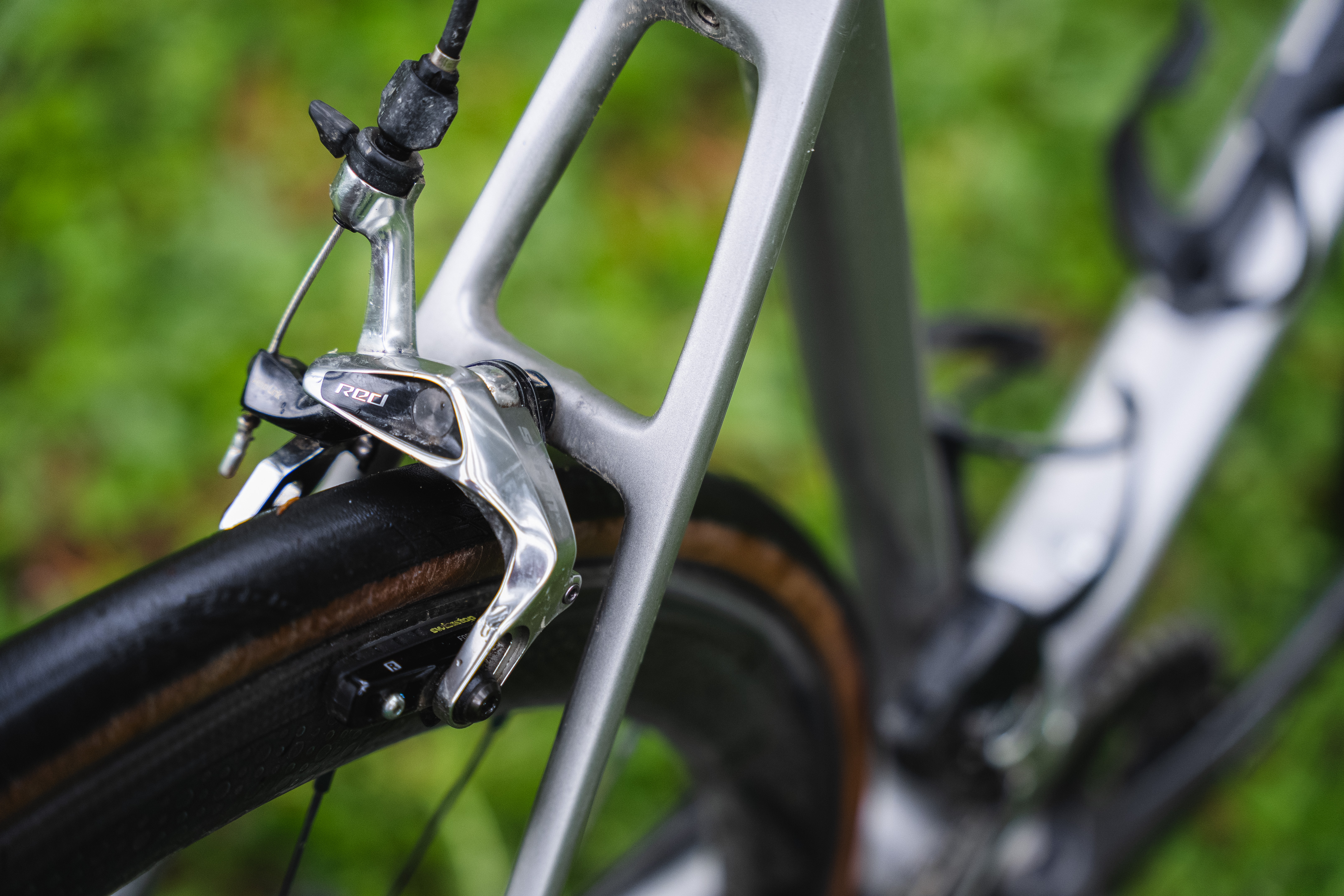
If you have a rim brake bike, the rim material itself takes the brunt of the braking force. This makes aluminium rims a popular choice because when the rim eventually wears down through use, it's cheaper to replace aluminium rims than carbon rims.
Aluminium rims also provide a better braking surface than carbon rims in wet conditions, so many riders will fit aluminium rims to their bike in winter, saving their wheels with carbon rims – if they have them – for summer.
The growing popularity of disc brakes has made much of the debate between aluminium and carbon rims redundant, however. Because disc brakes bind with a metal rotor attached to the wheel rather than the rim itself, riders can now opt for carbon rims regardless of weather conditions or season.
What tyres will my road bike come with?
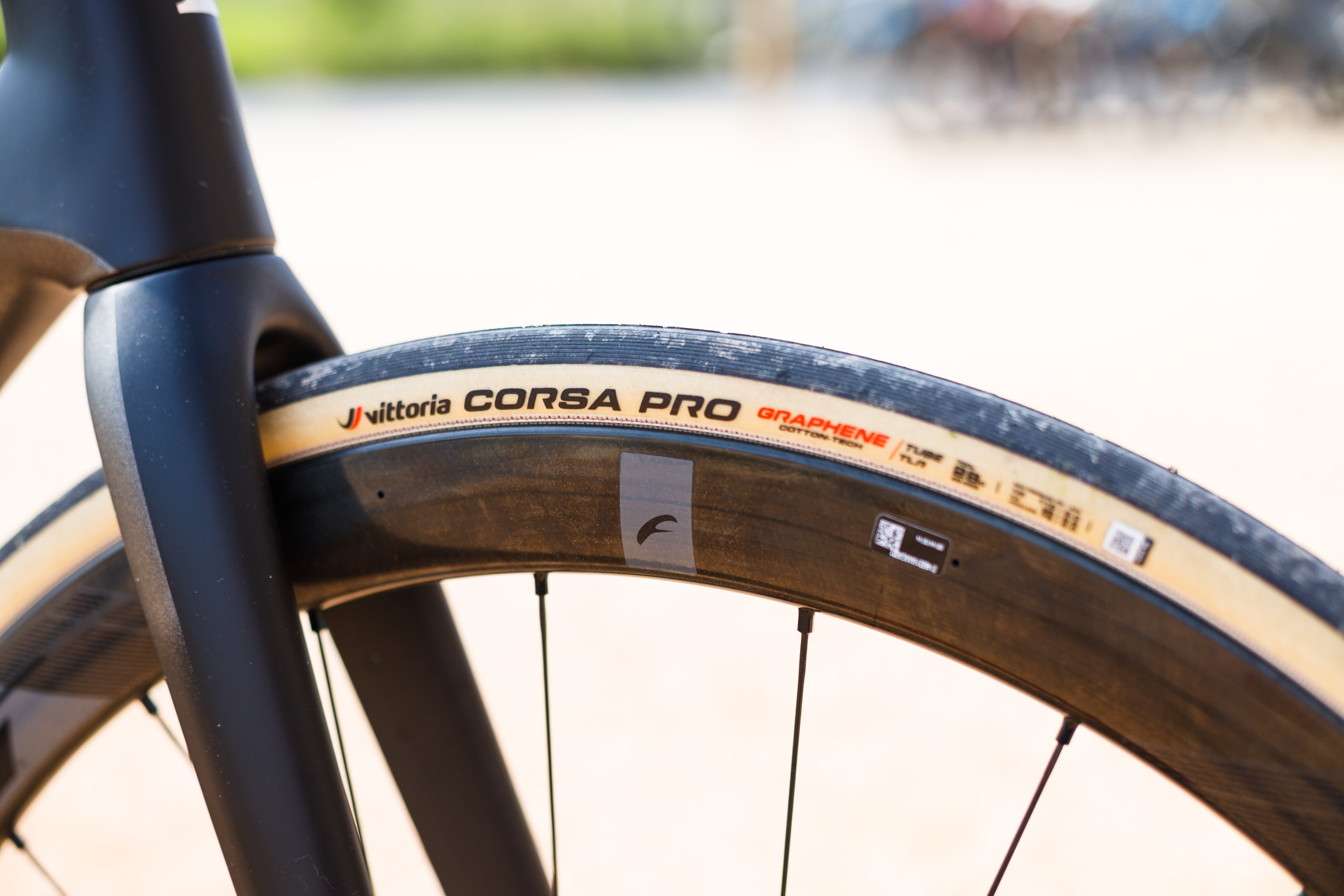
Most road bikes come with slick or very lightly treaded tyres.
While extremely narrow tyres used to be commonplace, it’s become more common to spec wider tyres on road bikes in recent years. Race bikes are often fitted with 25mm-wide tyres, while endurance bikes come with 28mm or even 32mm tyres.
Regardless of the width, all of these tyres will roll fast and the wider tyres give you a little more cushioning (and speed over rougher road surfaces) in exchange for a little more weight.
The best road bike tyres will offer a combination of speed (low rolling resistance), grip and puncture resistance.
Tyres are one of the easiest things to change and one of the best bike upgrades. So you don’t need to worry much about what the bike comes with. That said, if you are keen on maximising the comfort of your bike, make sure the frame has clearance for wider tyres.
Again, race bikes that favour aerodynamics will typically skew towards skinny tyres, while the endurance bikes that deliver comfort will generally have plump rubber.
If you’re unsure how to pump up your tyres or how to change your tyres, check out our comprehensive guides.
How to get the correct road bike size
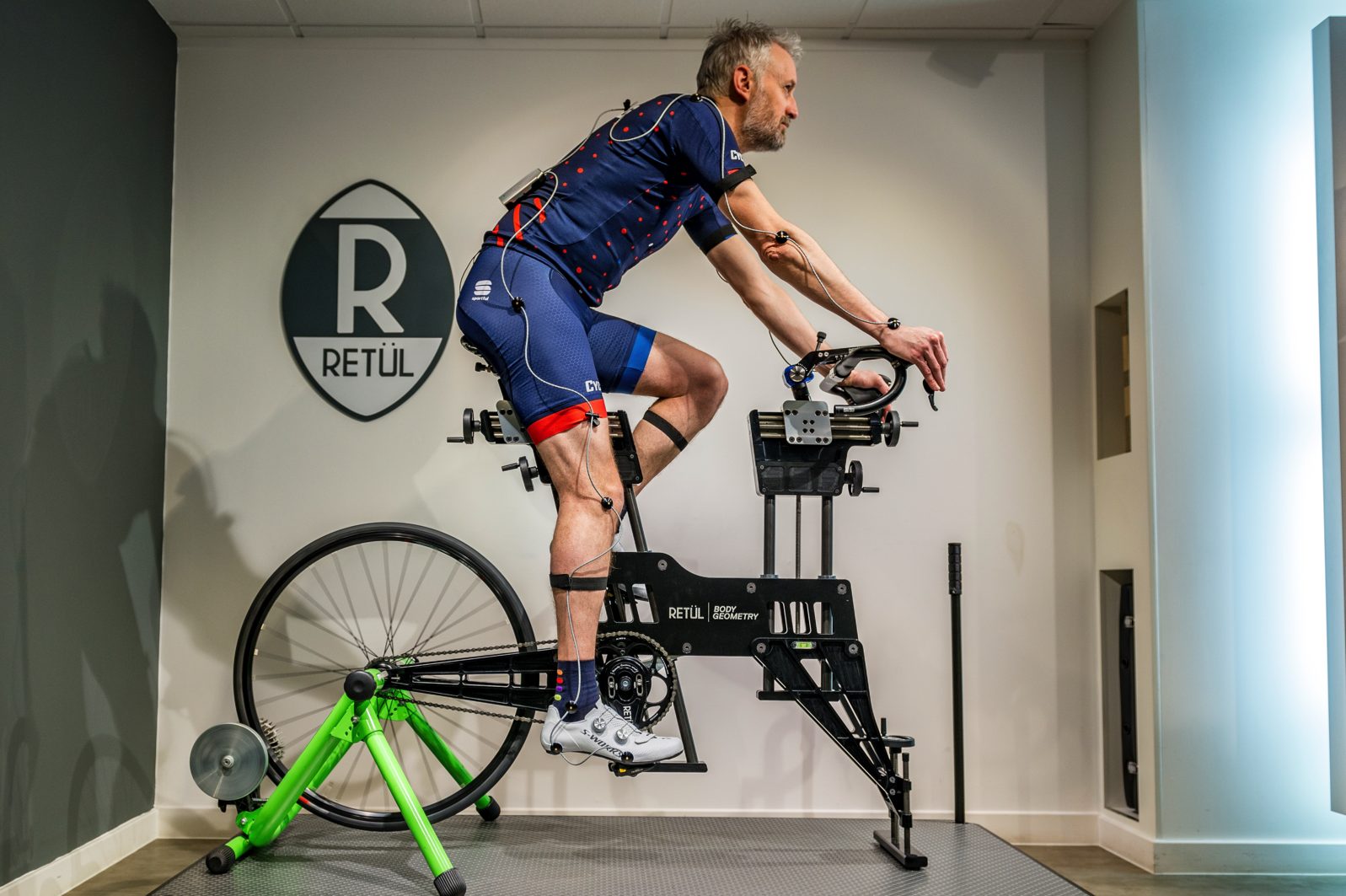
Bike fit is critical. A budget road bike that fits you like a glove will feel and handle much better than an ill-fitting superbike.
While most brands have bike fit charts on their websites, it’s vital to just go and sit on the thing if you are new to cycling.
Once you learn what fit works for you, you can shop using the charts; in the meantime, try bikes as you would shoes.
Once you have selected the right size frame – which any good bike shop can help you with – you then need to get your bike’s saddle height correct and adjust the handlebar height for comfortable riding. Again, a professional fit at a good shop is invaluable here.
Most good shops will work with you to fine-tune other elements of your fit too, such as the distance to the handlebar, the angle of the handlebar and even the feel of the saddle.
Just try a few until you find something comfortable – many saddle manufacturers will also offer demo services via their dealers.
Note that saddle preference is highly personal; there’s no universal right answer here. The best road bike saddles will be supportive while allowing sufficient blood flow in your delicate areas, and won't get in the way of pedalling.
Many saddles are considered unisex, but some of the best women’s road bike saddles have features specifically tailored to female anatomy.
Can you ride a road bike on gravel?
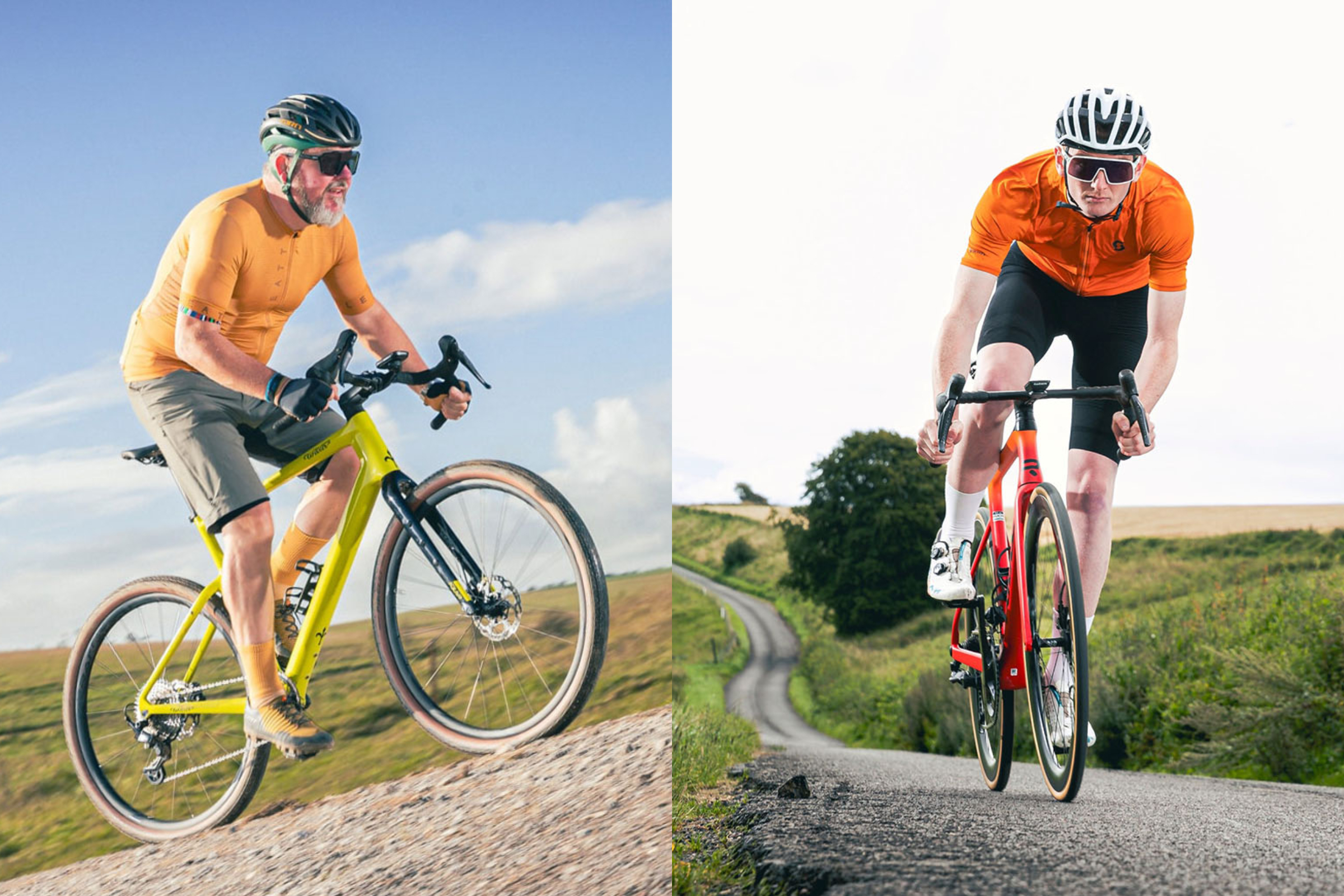
To the untrained eye, road bikes and gravel bikes are very similar, both featuring a similar silhouette with drop handlebars.
The differences only start when you look at tyre clearance and geometry; gravel bikes have wider tyres for traction and comfort, and road bikes feature a steeper head angle for climbing.
While road bikes aren't as capable as gravel bikes on rougher terrain, they are safe to ride on gravel and unpaved roads – just look at classic races such as Paris-Roubaix and Strade Bianche.
You'll just have to put up with a rougher ride and less puncture resistance.