Pro riders are continually experimenting with their setups. There are some misses, but many catch on, proliferate through the pro peloton and are often copied by amateurs.
Ahead of the 2026 Tour de France Grand Départ in Barcelona, we toured the team hotels to spot the latest trends being adopted by the pros. From short cranks to ever-wider tyres (via a return to 25c rubber), the quest for 'free speed' shows no sign of slowing.
Tech has played a key role in making the Tour de France faster than ever (Tadej Pogačar's average speed for this year's race was a record) and where the pros go, the rest follow, at least in bike tech. But should we?
BikeRadar head of content George Scott discusses what’s changed tech-wise at this year's Tour de France with Simon von Bromley, BikeRadar’s video tech editor, and they share their thoughts on whether amateurs should get onboard, too.
Listen to the podcast below – or read on for more.
Wide tyres are here to stay
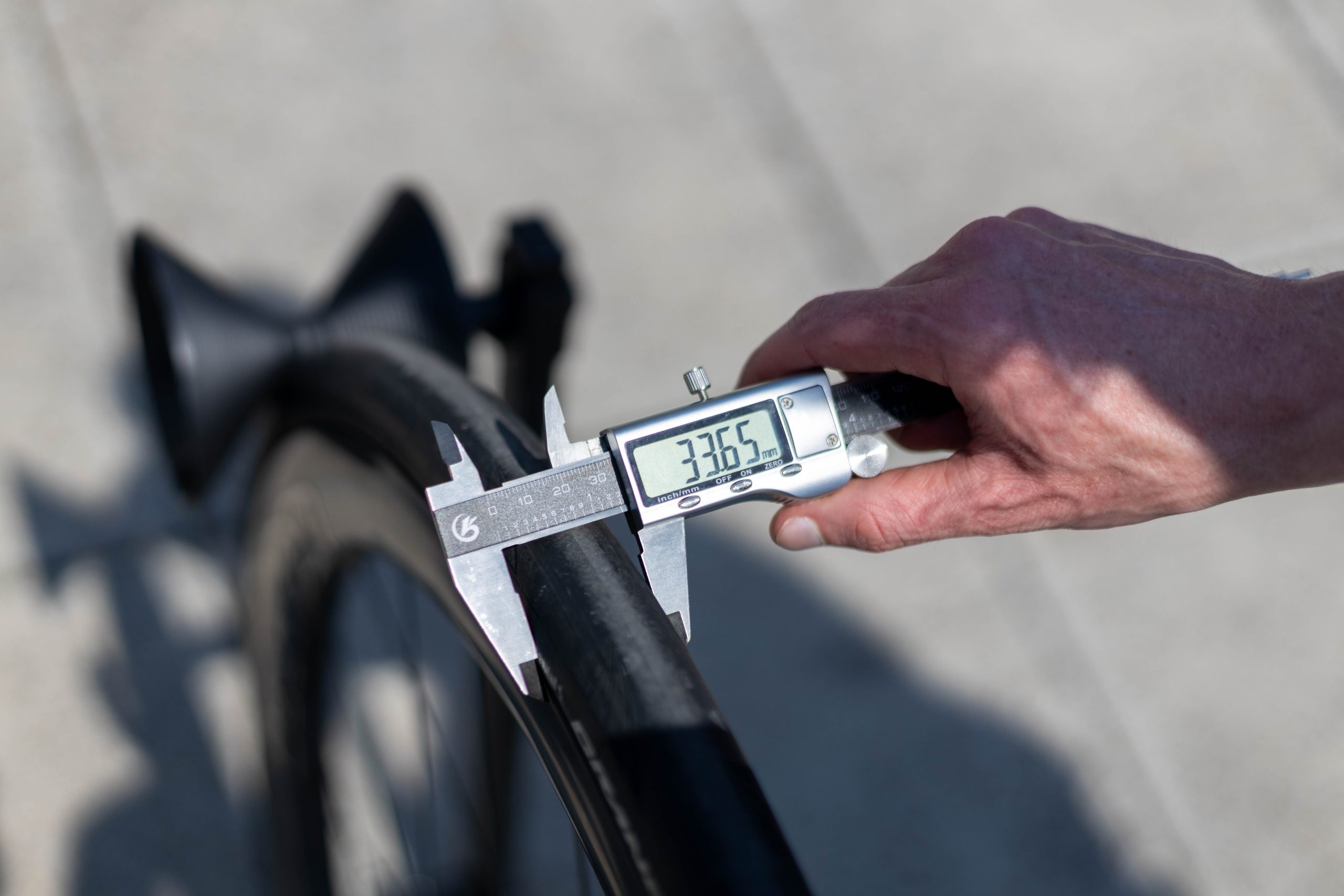
Most teams at the 2026 Tour de France had 28c or 30c tyres fitted to their road bikes. That doesn’t mean they’re riding tyres that measure only 28mm or 30mm though, because modern wider rims add a few millimetres to tyre width as measured.
Matej Mohorič’s tyres were the widest we found in our bike checks at the Tour. Labelled 30c, we measured his tyres at over 33mm wide and we’ve measured Tadej Pogačar‘s tyres in previous years at a similar width.
Some rims, such as those on the Reserve wheels used by Visma-Lease a Bike, are so wide that they’re not certified for use with 28c tyres, with a 29c the narrowest ETRTO size. It’s possible, too, that the team doesn’t want to go any narrower because it needs the extra weight to satisfy the UCI’s 6.8kg bike weight limit.
Turning to time trial bikes, 25c tyres are back in fashion, with UAE Team Emirates-XRG riding the narrower width, although Visma-Lease a Bike were on 32c tyres for the team time trial. UAE is a bit of an anomaly at present, as other teams continue to trend wider.
How well do the pros’ tyre width choices serve amateurs? Simon reckons wider than 28c adds confidence on descents and says he’ll probably switch to 30c or 32c for his next tyre set.
We’re not as lightweight as the pros and we don’t ride on such good roads, so a slightly wider tyre may be a better choice for grip, comfort and lower rolling resistance, he concludes, assuming you have the clearance for them on your bike and rims that are wide enough.
Narrow handlebars for fast riders
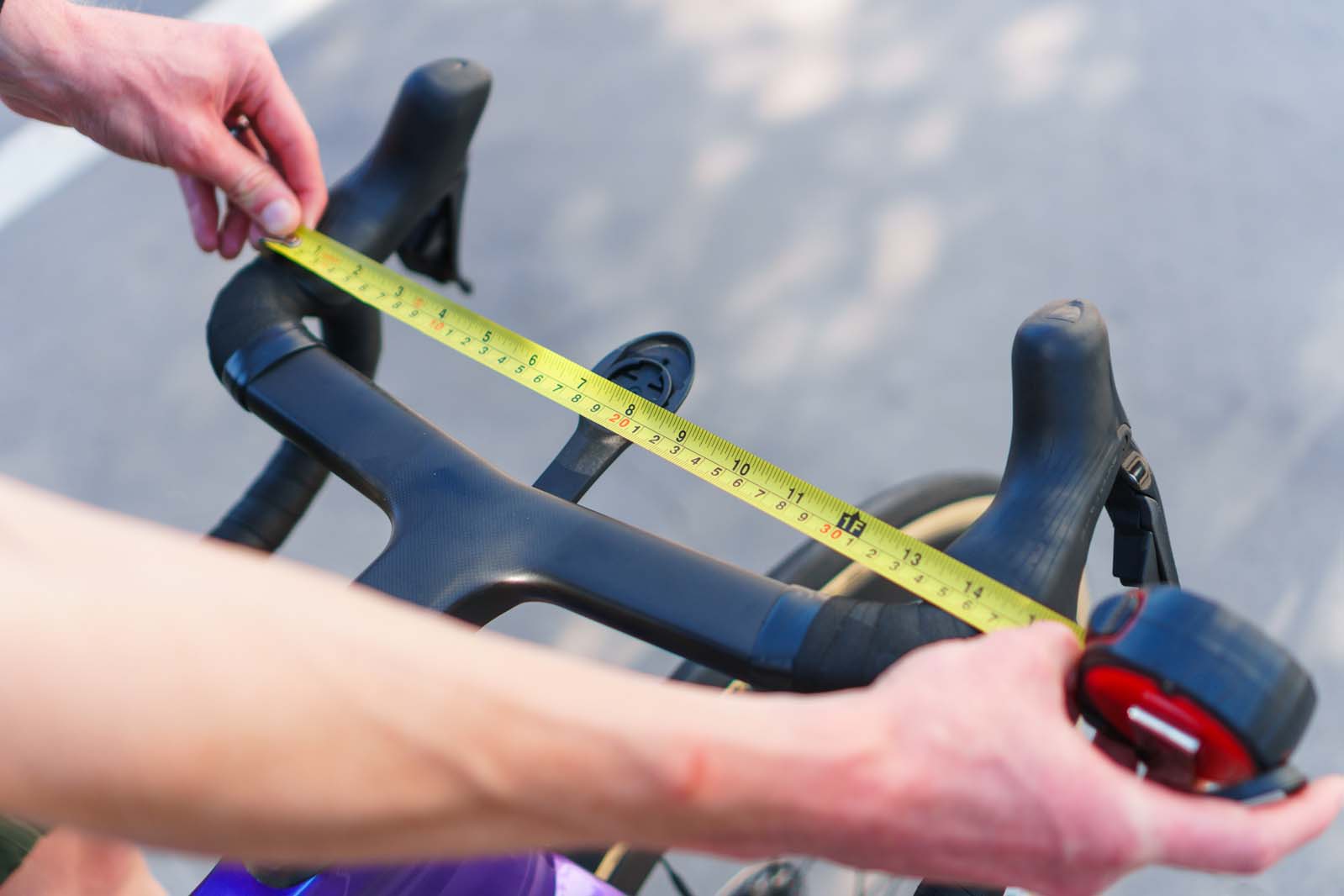
In this case, the pro trend for bar-width decreases has seen the UCI set a minimum bar width, which has made ultra-narrow bars illegal for racing. However, star riders usually have bars that are the minimum width allowed, with the brake hoods tilted inwards, again as far as permitted by the UCI.
Pro-level bikes tend to be fitted with flared handlebars that are wider in the drops for added stability, while reducing the frontal area for aero gains when riding on the hoods. Not everyone has gone narrower, though. For example, Mathieu van der Poel still rides 400mm non-flared bars.
Some bike brands are speccing narrower bars on consumer bikes, others are not. The Merida Reacto has bars that go down to a 360mm width, that would not be allowed in races by the UCI. The Specialized Tarmac SL9 is still specced with a 420mm bar width in size 56, though.
Simon has tried bars as narrow as 240mm across the hoods. He points out that once you’re up to speed, most turning is done by leaning so bar width is less significant. Climbing is a different matter, though, and he found the bars felt terrible when riding out of the saddle.
It’s a bike-fit issue, he says, but there are marginal gains from riding a narrower bar. Ultimately, you should be using the bars that fit you. It’s not something you can easily or cheaply experiment with on bikes with an integrated cockpit, though.
For amateurs, the tilted-in shifters may not work either. Pros like them because it enables them to rest their forearms on the bars, but shifters are designed to be fitted in a specific position and tilted-in brakes can compromise ease of reaching the levers and hence safety.
But not crank length
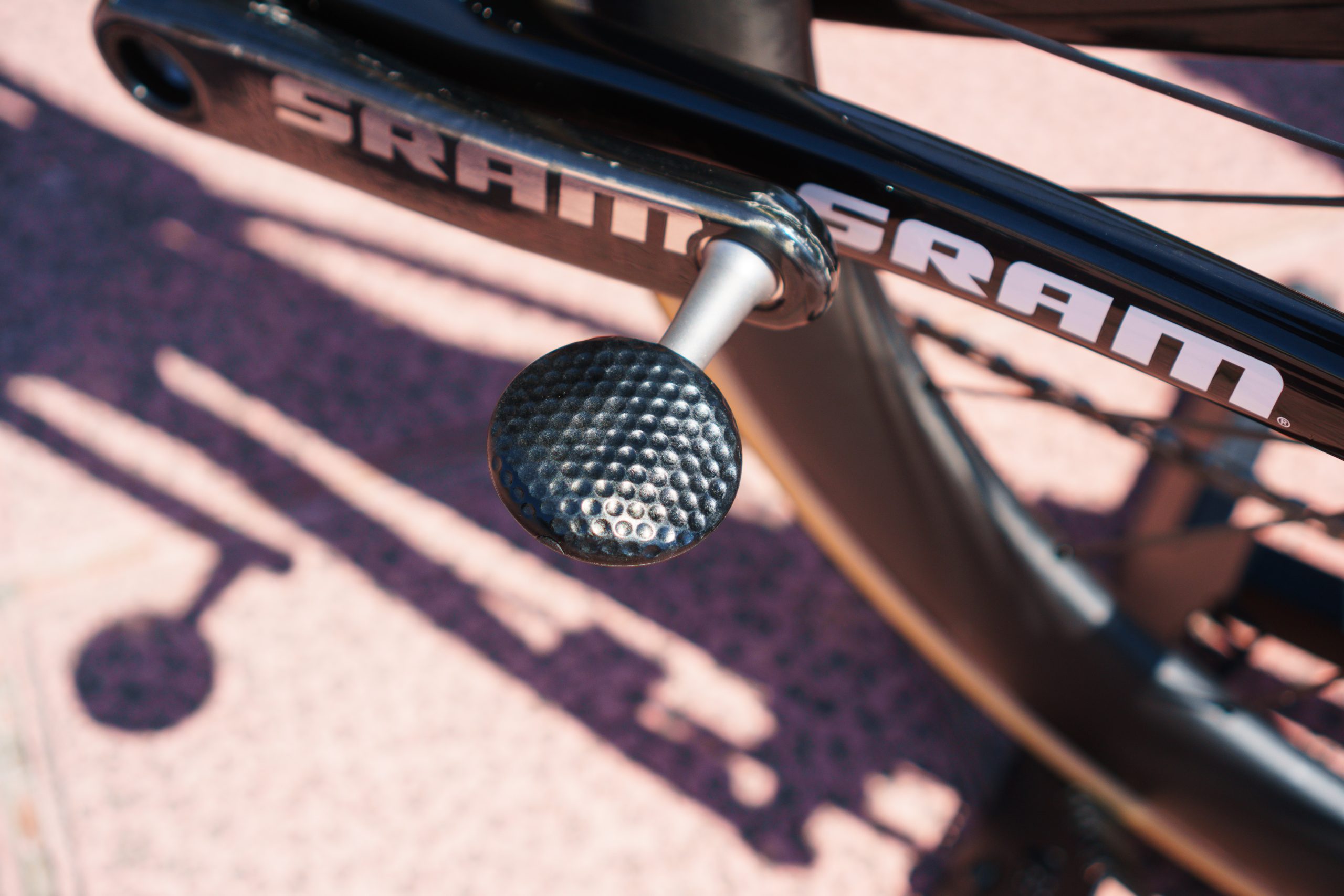
Pros are increasingly fitting shorter cranks, even if some are still on a 172.5mm crank length. However, Jonas Vingegaard, who has previously used cranks as short as 150mm, is now back on 160mm cranks.
It’s a trend that was copied from triathlon and the aggressive position that riders of tri and TT bikes often adopt. It’s also potentially more aero, although we’ve not seen any data to back up the claim.
Pros such as Vingegaard and Remco Evenepoel adopt a similarly aggressive position on their road bikes, plus they’re quite short, so there’s a bike-fit consideration too.
It’s another trend Simon has tested. He doesn’t reckon he can tell the difference between 170mm and 172.5mm cranks on his road bike, but he’s also tried 165mm cranks on his TT bike and felt they helped increase ride comfort and ease of pedalling in the aggressive position.
Again, it’s a bike-fit question and may not be best for everyone. It’s another change that’s expensive to make, plus crank length affects your leverage and gearing, so you might need to change your cassette too.
Or chainring number
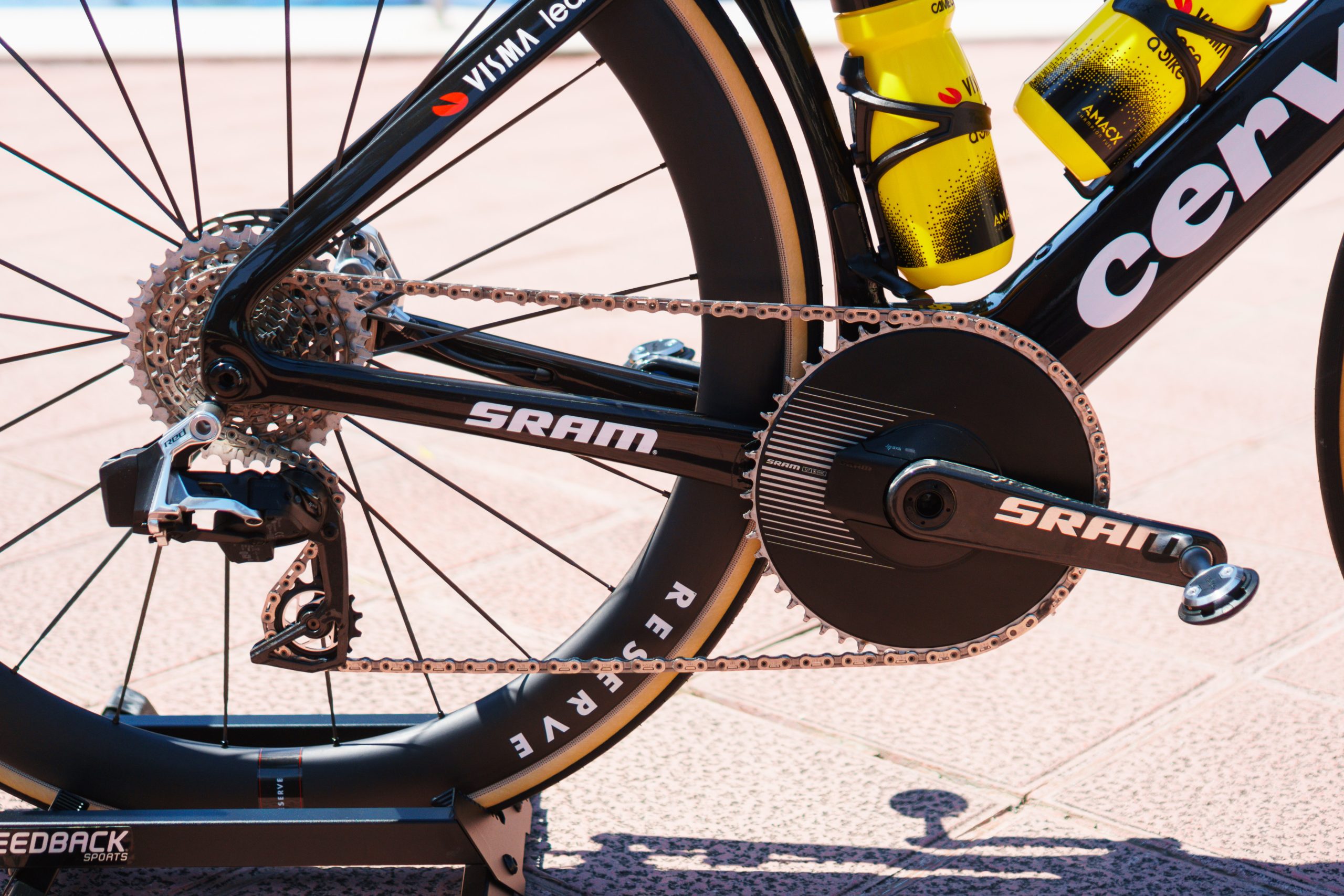
This one doesn’t have as far to go as crank length, but it’s increasingly dropping from two to one on pro bikes. But does 1x have a future on road bikes?
Vingegaard is a fan, even riding a 1x Cervélo S5 on the Tourmalet. There are weight and aero advantages, but it’s still a niche choice. Canyon wind-tunnel tested a 1x Aeroad recently that topped the drag testing league.
Simon thinks 1x13-speed groupsets makes this a more attractive option, although you lose gear range, while he points out that all TT bikes are now 1x. But Shimano probably needs to get on-board to change the game.
1x is good for gravel, but most amateur road riders are better served by 2x, he suggests.
But bike weight has gone as low as it can
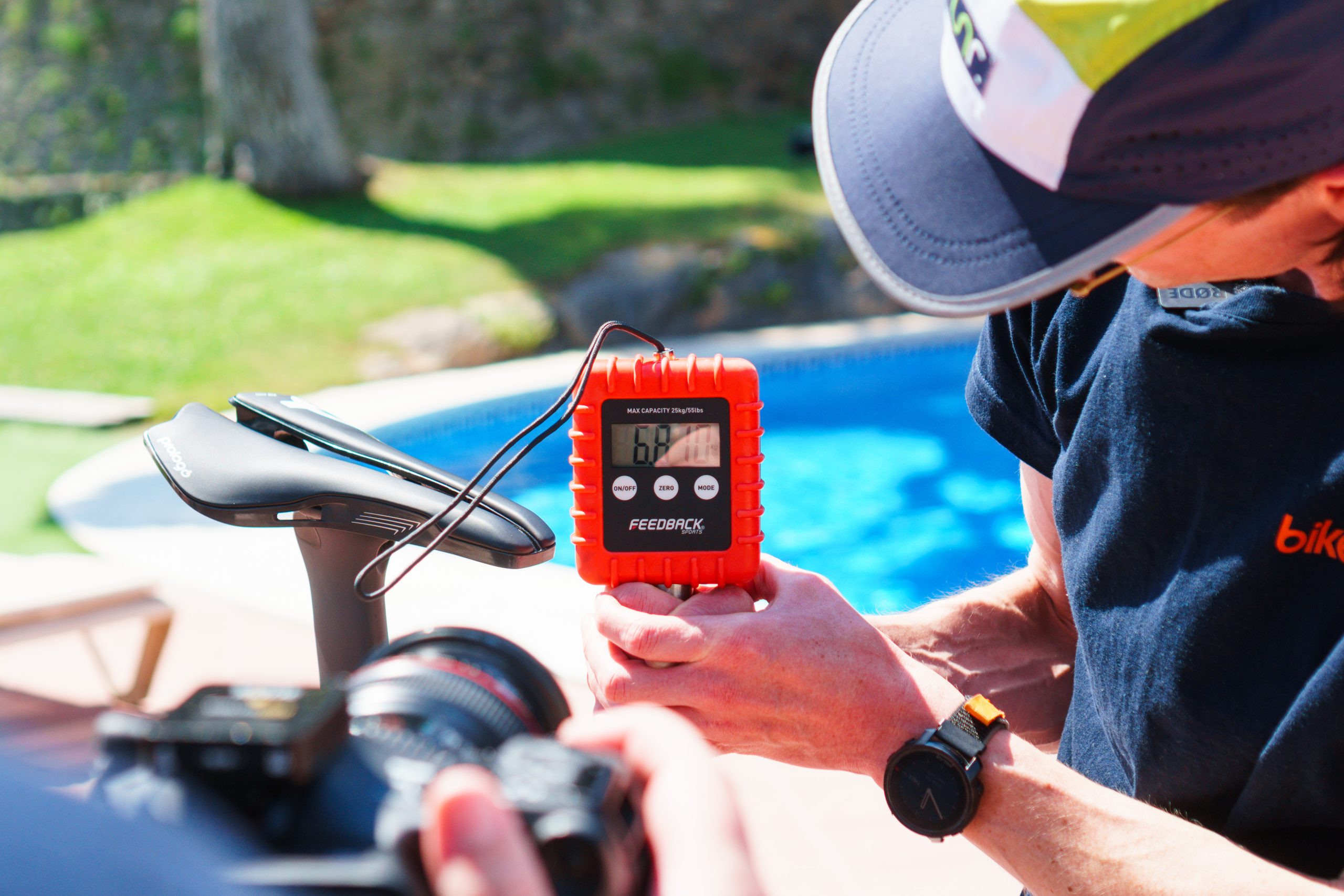
The UCI set its 6.8kg weight limit back in 2000 and it hasn't changed since, but pro bikes are now close to this or in some cases sitting right on it. Lorena Wiebes was kicked out of the Giro d’Italia Women for riding a bike under 6.8kg.
At the Tour de France, the average weight of seven road bikes we checked was around 7kg. That’s a little less than last year, but the initial stages around Barcelona were hillier than those around Lille, where most riders were on aero bikes and deeper wheels.
But should amateurs care? Low weight isn’t enough to make you faster, says Simon. It’s more about geometry, he suggests, although Specialized still believes weight is significant for amateurs, who are riding slower than the pros. It also depends where you live.
But amateurs are obsessed with weight and it’s expensive to achieve a lower weight, both in terms of initial bike cost and swap-out parts.
So which pro trend should amateurs prioritise? Simon reckons tyres are the place to start, with a swap to lighter, wider tyres making a difference to speed and comfort.
You can listen to the whole podcast, which was recorded in week 2 of the Tour.